



A peaceful bedroom begins with the right combination of comfort, quality, and thoughtful design. After a long day, a comfortable bed provides a welcoming place to relax and recharge. While furniture, lighting, and decorative accessories contribute to the overall atmosphere, bedding remains one of the most important elements of a well-designed bedroom.
Choosing suitable bed linens involves more than selecting attractive colors or patterns. Fabric quality, breathability, softness, durability, and proper sizing all influence how bedding performs over time. Natural materials such as cotton and linen are popular choices because they offer practical benefits while complementing different interior styles.
Understanding what makes bedding comfortable and durable can help homeowners create a bedroom that looks beautiful and supports everyday relaxation.
Understanding the Importance of Quality Bed Linens
Bed sheets are used every day, making their quality an important consideration when designing a comfortable sleeping environment. Poorly constructed fabrics may lose their appearance quickly, while well-made bedding can remain attractive and functional with proper care.
Comfort Begins with Fabric Selection
The fabric used in bedding determines much of its texture and overall feel. Cotton is appreciated for its softness and versatility, while linen offers a naturally textured appearance and excellent airflow.
Both materials can be suitable for everyday bedding, depending on personal preferences and climate conditions. People who prefer a crisp sleeping surface may enjoy percale cotton, while those who like a smoother finish may prefer sateen.
Choosing fabrics that feel comfortable against the skin can make the bedroom more inviting.
Breathability for Different Seasons
Temperature comfort is an important part of selecting bed linens. Lightweight, breathable materials are particularly useful in warmer environments because they allow air to circulate around the sleeping surface.
Cotton and linen are frequently selected for their natural fiber properties. They can also be combined with blankets, comforters, and decorative throws to create a flexible bedding arrangement throughout the year.
Exploring Natural Fabrics for Better Bedroom Styling
Natural textiles bring warmth and character to bedroom interiors. Their appearance and performance make them suitable for a wide range of decorating preferences.
The Timeless Appeal of Cotton
Cotton is a practical bedding material known for its softness, versatility, and easy maintenance. It is available in several varieties and weaves, allowing buyers to select products according to their preferences.
Percale cotton provides a crisp and breathable feel, while sateen cotton has a smoother surface and a slightly luxurious appearance.
High-quality cotton is suitable for everyday use and can complement both traditional and contemporary bedrooms. Its adaptability makes it a popular option for households looking for practical bedding essentials.
The Natural Beauty of Linen
Linen is produced from flax fibers and has a distinctive texture that adds character to bedroom interiors. Its natural appearance works particularly well in minimalist, rustic, coastal, and contemporary spaces.
A coordinated linen bed set can create an elegant bedroom arrangement without requiring excessive decoration. Linen is appreciated for its breathability and durability, and its texture often becomes softer with regular use and suitable washing.
Its relaxed appearance also makes it an attractive choice for homeowners who prefer understated interior styling.
Why Fabric Construction Matters
The quality of bedding depends on more than the material alone. Weaving methods, fiber quality, stitching, and finishing all contribute to its overall performance.
Before purchasing, consider:
-
The fabric's fiber composition.
-
The weave and surface texture.
-
The quality of seams and stitching.
-
The manufacturer's washing instructions.
-
The suitability of the material for your climate.
These factors help determine whether a bedding product is suitable for everyday household use.
How to Choose Bedding That Matches Your Needs
Every bedroom has different requirements. The right bedding should balance comfort, appearance, practicality, and mattress compatibility.
Select the Correct Sheet Dimensions
One of the most important steps is measuring the mattress accurately. Standard mattress sizes include single, double, queen, and king, but dimensions may vary between manufacturers.
Measure the mattress width, length, and depth before choosing bed sheets. If a mattress topper is used, include its thickness when checking sheet measurements.
A properly sized sheet creates a smooth appearance and helps prevent the fabric from shifting during sleep.
Consider Coordinated Bedding Collections
Matching bedding creates a polished and organized bedroom appearance. Bedding Sheet Sets are convenient because they bring together complementary pieces such as fitted sheets, flat sheets, and pillowcases.
Coordinated collections reduce the effort involved in choosing separate items and make it easier to maintain a consistent bedroom design.
Consider neutral shades for a timeless appearance or subtle patterns for a little more visual interest.
Choose Colors That Create a Relaxing Atmosphere
Colors can influence the overall feeling of a bedroom. White, cream, beige, and soft grey create a clean and peaceful appearance.
For additional warmth, consider earthy shades such as terracotta, muted green, and warm brown. Soft blue and pastel tones can also create a fresh and calming interior.
Coordinate these colors with curtains, rugs, cushions, and furniture to achieve a balanced look.
Features That Define Premium Bedding
When comparing bedding options, pay attention to construction, fabric quality, and finishing details rather than focusing only on appearance.
Softness and Weave Quality
The weave affects the feel of cotton bedding. Percale is known for its crisp texture, whereas sateen provides a smoother finish.
Luxury Cotton Sheet Sets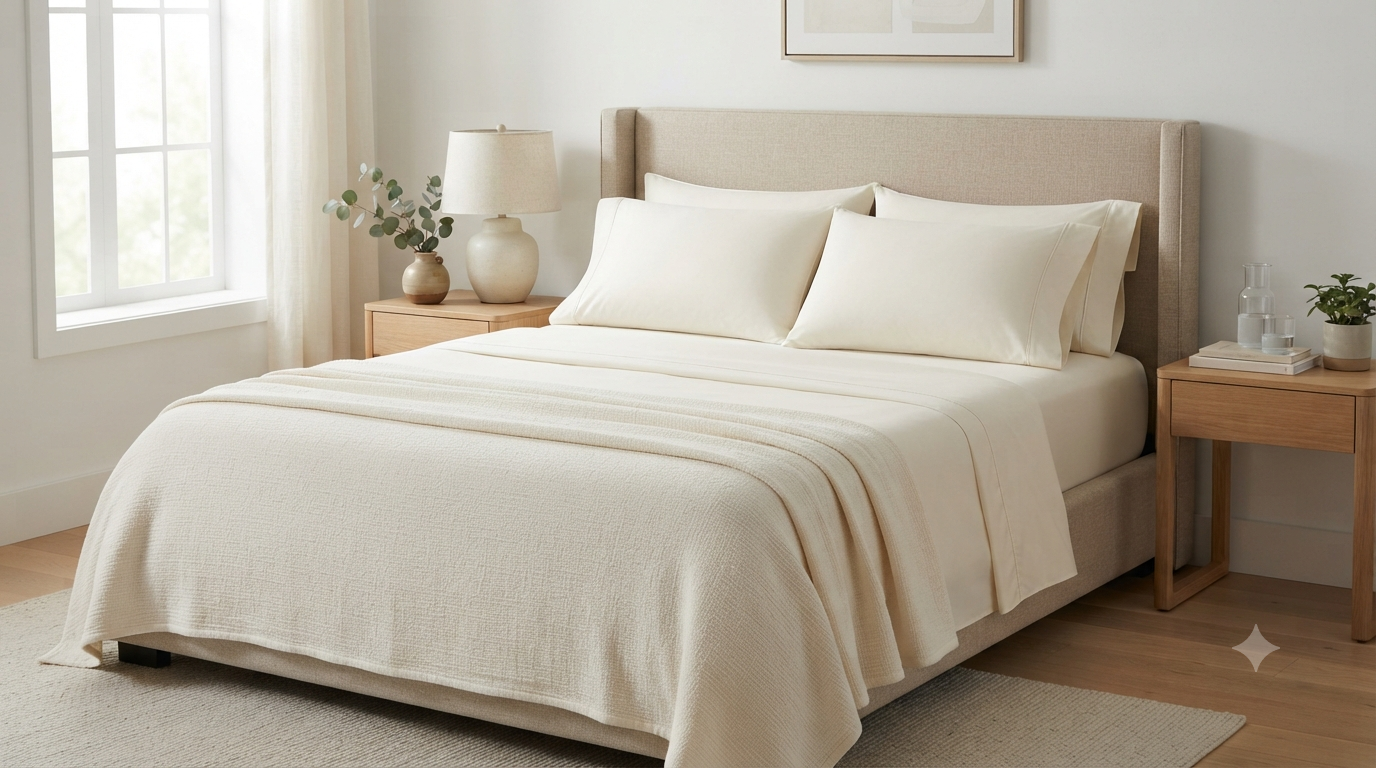 are often chosen for their refined appearance and comfortable surface. Their quality depends on the cotton fibers, weaving process, and finishing rather than simply the thread count.
A higher thread count does not automatically indicate superior bedding. Buyers should evaluate the complete fabric construction before making a decision.
Durability and Stitching
Well-constructed bedding should have neat seams, consistent stitching, and carefully finished edges.
Pay attention to the corners and hems, particularly when purchasing fitted sheets. Strong elastic and suitable pocket depth help maintain a secure fit around the mattress.
Practical Everyday Design
Bedding should look attractive while remaining easy to use. Designs that are simple to wash, dry, fold, and store are especially useful for busy households.
Fitted Bed Sheets are a practical option because their elasticated edges help keep them in place. Choosing the correct mattress depth and dimensions helps prevent loose corners and unnecessary fabric movement.
Bedroom Styling Ideas for a More Inviting Space
A beautifully arranged bed can become the focal point of the bedroom. Simple styling choices can create an elegant atmosphere without making the space feel crowded.
Layer Different Textures
Layering is an effective way to add depth and visual interest. Begin with a fitted sheet, add a coordinated top sheet, and finish with a duvet or lightweight blanket.
Decorative pillows and a textured throw can introduce additional colors and patterns. Combining smooth cotton with textured linen can also create an attractive contrast.
Use Natural and Minimalist Accessories
Wooden furniture, woven baskets, neutral curtains, and soft lighting work well with natural bedding materials.
Avoid using too many decorative accessories. A few carefully selected elements can create a more balanced and relaxing environment.
Adapt Bedding to Seasonal Needs
Use lightweight bedding during warmer months and introduce additional layers when temperatures become cooler.
Keeping separate bedding collections for different seasons can make bedroom maintenance easier while ensuring the sleeping environment remains comfortable.
Simple Maintenance Tips for Long-Lasting Bedding
Proper care helps preserve the appearance and usefulness of bed linens.
Follow these simple practices:
-
Read fabric care labels before washing.
-
Use appropriate detergents and washing temperatures.
-
Separate light and dark fabrics.
-
Avoid excessive heat during drying.
-
Make sure bedding is fully dry before folding.
-
Store clean linens in a dry, ventilated cupboard.
-
Rotate between bedding sets to distribute everyday wear.
Regular maintenance can help reduce unnecessary fabric damage and keep bedroom essentials looking fresh.
Conclusion
Choosing the right bedding is an important part of creating a comfortable and attractive bedroom. From understanding natural fabrics to selecting suitable sizes and maintaining textile quality, every detail contributes to a better everyday experience.
Cotton and linen remain popular because they combine practical functionality with timeless style. With the right materials, coordinated colors, and thoughtful layering, homeowners can create a peaceful bedroom that reflects their personal taste.
For those looking to explore thoughtfully selected home textiles and comfortable bedding essentials, All Cotton and Linen offers collections that complement modern living and everyday home comfort. Visit All Cotton and Linen to discover bedding and home textile options that bring together natural materials, practical designs, and timeless elegance.

 English
 French
 Spanish
 Portuguese
 Deutsch
 Turkish
 Dutch
 Italiano
 Russian
 Romaian
 Portuguese (Brazil)
 Greek