


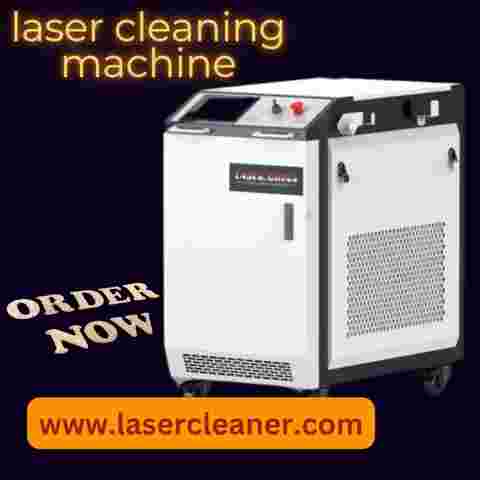
Industrial cleaning has evolved significantly with the development of advanced laser technology. Traditional cleaning methods often involve chemicals, abrasive materials, or extensive manual effort. Today, manufacturers are increasingly exploring laser-based solutions to maintain clean surfaces and improve production processes. A laser cleaning machine offers a modern approach to removing rust, paint, oil, grease, and other unwanted materials from different surfaces.
Understanding Laser Cleaning Technology
Laser cleaning is a process that uses concentrated laser energy to remove contaminants from a material's surface. The laser beam interacts with unwanted layers, causing them to separate from the underlying material. This process is commonly used for cleaning metals, machinery components, industrial equipment, and various manufactured products.
The technology can be adjusted according to the material, contamination level, and cleaning requirements. Different laser power levels and operating settings help operators achieve the desired cleaning results while controlling the treatment process.
Applications Across Different Industries
Laser cleaning technology has become relevant in several industrial sectors. Manufacturing companies use it to prepare metal surfaces before welding, painting, or coating. Removing rust, oxidation, and other surface contaminants helps create a cleaner working area for subsequent production stages.
In the automotive industry, laser cleaning is used for treating vehicle components, removing paint layers, and preparing metal parts for further processing. Shipbuilding and heavy equipment industries also use laser-based cleaning solutions to maintain metal structures and machinery.
Another important application is mold cleaning. Production molds can accumulate residues during repeated manufacturing cycles. Laser technology helps remove unwanted deposits from mold surfaces, supporting regular maintenance and production quality.
Different Types of Laser Cleaning Machines
Industrial requirements vary depending on the working environment and material being treated. Therefore, manufacturers offer different types of laser cleaning equipment.
Handheld Laser Cleaning Machines: These systems are designed for operators who need flexibility when working on different surfaces. Their portable structure makes them suitable for workshops, maintenance activities, and on-site cleaning operations.
Continuous Wave Laser Cleaning Machines: These machines deliver laser energy continuously and are generally used for applications requiring consistent cleaning performance.
Pulsed Laser Cleaning Machines: Pulsed systems release laser energy in short intervals. They are commonly selected for applications where controlled surface treatment and precision are important.
Selecting the appropriate equipment depends on the material, surface condition, cleaning depth, and production requirements.
Factors to Consider Before Purchasing
Choosing industrial cleaning equipment requires careful consideration of the intended application. Buyers should first identify the types of materials they plan to clean and the contaminants they need to remove.
Laser power is another important consideration because different cleaning tasks require different energy levels. Operators should also evaluate the machine's scanning system, cooling arrangement, control interface, and maintenance requirements.
The working environment should not be overlooked. Businesses performing regular industrial cleaning may require equipment designed for extended operation, while smaller workshops might prefer compact and portable systems.
It is also important to consider operator training and laser safety requirements. Proper protective equipment, controlled working areas, and suitable ventilation or fume extraction systems should be included in the cleaning setup.
Why Businesses Are Exploring Laser Cleaning
Many manufacturers are reviewing their existing surface preparation processes and considering laser technology as part of their production improvements. A laser cleaning machine can be integrated into different industrial workflows, depending on the required cleaning process and production setup.
Businesses working with metal fabrication, automotive components, industrial maintenance, and machinery restoration can explore this technology for specialized cleaning applications. Before making an investment, comparing equipment specifications and testing the machine on sample materials can help determine whether it meets operational expectations.
Maintenance and Operating Considerations
Regular maintenance plays an important role in keeping laser cleaning equipment operating properly. Operators should inspect optical components, maintain cooling systems, check electrical connections, and follow the manufacturer's maintenance instructions.
The cleaning head and protective components should also be checked regularly. Dust and contamination around sensitive optical parts can affect operating performance. Following recommended maintenance procedures helps support consistent operation over time.
Laser safety must remain a priority throughout the process. Appropriate protective eyewear, safety enclosures where required, warning signs, and trained operators are essential for responsible equipment operation.
Final Thoughts
Laser cleaning technology is becoming an important part of modern industrial surface preparation. From removing rust and paint to cleaning machinery components and production molds, it provides manufacturers with another option for handling demanding cleaning tasks. Selecting the right laser cleaning machine requires understanding the application, material requirements, equipment specifications, and workplace safety conditions. With proper planning and operation, businesses can determine how this technology fits into their long-term manufacturing and maintenance processes.
#LaserCleaningMachine #LaserCleaningTechnology #IndustrialCleaning

 English
 French
 Spanish
 Portuguese
 Deutsch
 Turkish
 Dutch
 Italiano
 Russian
 Romaian
 Portuguese (Brazil)
 Greek