


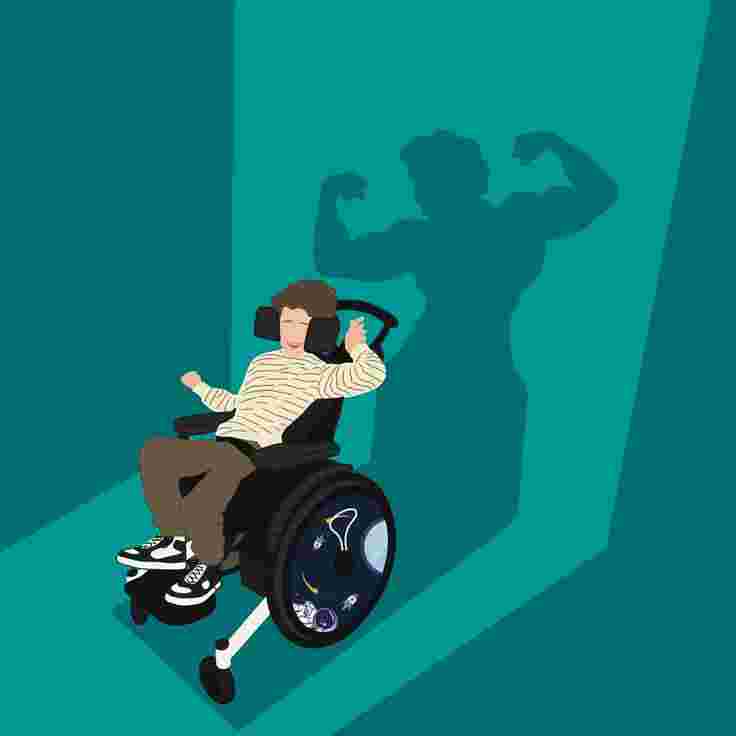
This experience is often described as ADHD paralysis. Although it is not an official medical diagnosis, it is a commonly reported experience among people with Attention-Deficit/Hyperactivity Disorder (ADHD). It can involve difficulty initiating tasks, organizing thoughts, managing priorities, and shifting attention.
What Is ADHD Paralysis?
ADHD paralysis describes a state in which someone wants to complete a task but struggles to initiate or continue it. It may feel like the mind is frozen, even when there is a clear understanding of what needs to happen.
Unlike ordinary procrastination, ADHD paralysis can involve difficulties with executive functioning, the mental skills responsible for planning, prioritizing, decision-making, and controlling attention.
For example, someone may need to complete a work assignment but become overwhelmed by deciding where to begin. Another person may spend hours thinking about cleaning a room without actually starting.
Common experiences include:
-
Feeling overwhelmed by simple responsibilities.
-
Struggling to decide which task deserves attention first.
-
Constantly switching between unfinished activities.
-
Avoiding important responsibilities despite knowing the consequences.
-
Feeling mentally exhausted before beginning a task.
-
Experiencing guilt or frustration about unfinished work.
The emotional weight can be exhausting. What appears to be laziness from the outside may actually involve significant difficulties with attention regulation and task initiation.
Why Does ADHD Make It So Difficult to Start Tasks?
ADHD affects executive functioning, which plays an important role in turning intentions into actions. Even when motivation exists, the brain may struggle to organize the steps required to complete a task.
Several factors can contribute to ADHD paralysis.
1. Executive Dysfunction
Planning, prioritizing, and organizing tasks can require considerable mental effort. When multiple responsibilities compete for attention, deciding where to start may become difficult.
2. Decision Fatigue
Too many choices can create mental overload. Someone who needs to complete several responsibilities may spend more time deciding what to do than actually doing anything.
3. Fear of Failure and Perfectionism
The pressure to complete something perfectly can make starting feel intimidating. When the expected result seems difficult to achieve, avoiding the task may feel emotionally safer.
4. Difficulty Regulating Attention
ADHD can affect the ability to direct and sustain attention. Switching between activities or resisting distractions may become particularly challenging.
5. Emotional Overload
Stress, frustration, and anxiety can make task initiation even harder. When emotions become overwhelming, even manageable responsibilities may feel impossible.
Recognizing these challenges is important because ADHD paralysis is not simply a lack of effort or discipline.
ADHD Symptoms in Women: Why Paralysis Can Go Unnoticed
ADHD symptoms in women can sometimes be overlooked, particularly when difficulties are less visibly associated with hyperactivity.
Some women experience predominantly inattentive symptoms, including forgetfulness, disorganization, difficulty concentrating, and trouble completing tasks. These challenges may remain unnoticed for years.
ADHD paralysis may appear as:
-
Constantly postponing household responsibilities.
-
Struggling to manage work and family obligations.
-
Forgetting important appointments or deadlines.
-
Feeling overwhelmed by everyday decisions.
-
Spending excessive time planning without taking action.
-
Experiencing guilt about unfinished responsibilities.
Hormonal changes, including those associated with menstrual cycles, pregnancy, and menopause, may also influence ADHD symptoms for some women.
When these struggles are misunderstood as personal shortcomings, self-esteem can gradually suffer. Recognizing potential ADHD-related difficulties can help women seek appropriate assessment and support.
Can ADHD Cause Anxiety?
ADHD and anxiety frequently overlap, although one condition does not automatically cause the other.
Living with untreated or poorly managed ADHD can create repeated stressful experiences. Missed deadlines, forgotten responsibilities, social misunderstandings, and difficulty organizing daily activities may contribute to ongoing worry.
Some common ADHD anxiety symptoms include:
-
Constantly worrying about unfinished responsibilities.
-
Feeling overwhelmed by upcoming deadlines.
-
Overthinking everyday decisions.
-
Experiencing restlessness or difficulty relaxing.
-
Avoiding tasks because of fear of making mistakes.
-
Feeling anxious about disappointing others.
Anxiety can also make ADHD paralysis worse. When a task already feels difficult, worrying about its outcome may create another barrier to getting started.
A qualified mental health professional can help determine whether symptoms are related to ADHD, an anxiety disorder, or both.
ADHD and Low Self-Esteem: The Emotional Cost of Feeling Stuck
Repeatedly struggling with tasks can affect how someone views themselves. Even when a person understands that ADHD contributes to these difficulties, unfinished responsibilities may still trigger feelings of guilt and inadequacy.
ADHD and low self-esteem can become connected through repeated negative experiences.
For example, someone who frequently misses deadlines may begin believing they are unreliable. Another person who struggles with household responsibilities may feel incapable of managing everyday life.
Over time, these experiences can contribute to:
-
Harsh self-criticism.
-
Feeling less capable than others.
-
Fear of disappointing family members or colleagues.
-
Difficulty recognizing personal achievements.
-
Comparing productivity with people who do not experience similar challenges.
It is important to remember that productivity does not determine personal worth. Difficulty initiating tasks does not mean someone is unintelligent, irresponsible, or incapable of success.
ADHD Social Difficulties and Emotional Dysregulation
ADHD affects more than productivity. It can also influence communication, relationships, and emotional experiences.
ADHD social difficulties may include forgetting conversations, interrupting unintentionally, missing social cues, or struggling to respond to messages. These experiences can sometimes create misunderstandings with friends, family members, and colleagues.
ADHD emotional dysregulation can add another layer of difficulty. Some individuals experience emotions intensely and struggle to manage frustration, disappointment, or stress.
When a social interaction goes badly, the emotional response may make it harder to move forward with other responsibilities.
Learning emotional regulation skills and developing healthier communication strategies can help individuals manage these challenges more effectively.
Coping With ADHD Burnout: Practical Ways to Get Started
When everyday responsibilities repeatedly feel overwhelming, exhaustion can build over time. Coping with ADHD burnout requires realistic expectations, appropriate support, and strategies that reduce unnecessary mental pressure.
Consider these practical approaches:
1. Break Tasks Into Smaller Steps: Replace broad goals with specific actions. Instead of cleaning an entire house, start by putting away five items.
2. Use External Reminders: Calendars, alarms, written lists, and visual schedules can reduce the mental effort involved in remembering responsibilities.
3. Try the Five-Minute Rule: Commit to working on a task for just five minutes. Starting small can make an overwhelming activity feel more manageable.
4. Reduce Environmental Distractions: Keep essential materials nearby, silence unnecessary notifications, and create a workspace that supports concentration.
5. Practice Self-Compassion: Avoid treating every unfinished task as a personal failure. Recognize progress, even when it happens gradually.
6. Prioritize Rest: Regular breaks, adequate sleep, and realistic schedules can help reduce exhaustion and support emotional well-being.
How Adult ADHD Therapy Can Help
When ADHD paralysis begins interfering with work, relationships, or daily responsibilities, professional support can make a meaningful difference.
Adult ADHD therapy can help individuals understand executive functioning challenges, improve emotional regulation, and develop practical strategies for managing everyday demands.
ADHD behavioral therapy may focus on building organizational skills, creating realistic routines, improving time management, and developing healthier responses to frustration.
Depending on individual needs, treatment may also incorporate cognitive behavioral therapy (CBT) to address negative thought patterns, anxiety, and low self-esteem.
A mental health professional can evaluate symptoms, identify overlapping concerns, and recommend an appropriate treatment plan. Support may also include medication evaluation through a qualified prescribing provider when clinically appropriate.
Moving Forward Without Blaming Yourself
ADHD paralysis can make everyday responsibilities feel overwhelming, especially when the desire to succeed is present but getting started feels impossible. However, struggling with task initiation does not mean someone lacks ambition, intelligence, or determination. Understanding ADHD symptoms, recognizing emotional challenges, and developing practical coping strategies can make daily life more manageable. If ADHD-related difficulties are affecting productivity, relationships, or emotional well-being, Inland Empire Behavioral Group can help individuals explore professional mental health support and available treatment options. Reach out to learn more about adult ADHD therapy and take the first step toward improving emotional balance, rebuilding confidence, and managing everyday challenges with greater support.

 Arabic
 French
 Spanish
 Portuguese
 Deutsch
 Turkish
 Dutch
 Italiano
 Russian
 Romaian
 Portuguese (Brazil)
 Greek