


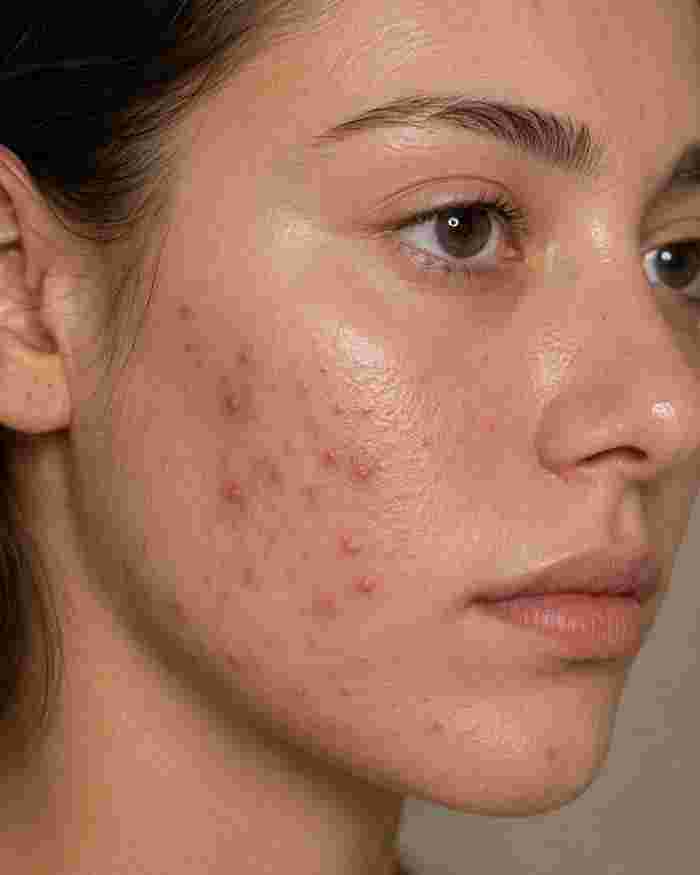
Acne scars do not look the same on everyone. Some appear as small, deep openings, while others create wide depressions, uneven skin texture, or raised areas. Because each scar develops differently, choosing an appropriate treatment requires understanding its structure and the condition of the surrounding skin. People considering acne scars treatment in islamabad should first learn why identifying the correct scar type is an important part of achieving noticeable improvement.
Why Identifying Your Scar Type Matters
Acne scars usually develop when inflammation damages the deeper layers of the skin during a breakout. The healing process may produce too little collagen, too much collagen, or an uneven distribution of supporting tissue.
These changes create different scar patterns. A procedure designed to improve a shallow depression may not be effective for a deep, narrow scar. Similarly, raised scars require a different approach from scars that appear sunken.
A professional skin assessment helps identify the main scar types and determine whether one procedure or a combination may be appropriate.
Ice Pick Scars: Narrow and Deep Marks
Ice pick scars are small, narrow depressions that extend into deeper layers of the skin. They may resemble tiny holes and can be difficult to improve with surface-level treatments alone.
Depending on their depth and location, treatment options may include TCA CROSS or selected punch techniques. TCA CROSS involves applying a specialised chemical solution to individual scars to encourage controlled skin repair.
Punch excision may be considered for certain deep scars when a professional determines that removing or improving the affected tissue is appropriate. These procedures require careful assessment and should only be performed by trained professionals.
Boxcar Scars: Wider Depressions with Defined Edges
Boxcar scars are broader depressions that often have relatively sharp edges. They can vary in depth and may appear on the cheeks, temples, or other areas affected by acne.
Fractional laser resurfacing may help improve selected boxcar scars by encouraging skin renewal and collagen remodelling. Microneedling may also be considered for certain shallow scars.
The treatment choice depends on the depth of the depression, skin tone, and individual response. Deeper scars may require a more targeted approach rather than relying on a single surface treatment.
Rolling Scars: Uneven Skin with a Wavy Appearance
Rolling scars create a wave-like texture because fibrous bands beneath the skin pull the surface downward. They often become more noticeable under particular lighting conditions.
Subcision is commonly considered for suitable rolling scars. The procedure releases the fibrous attachments that pull the skin inward, allowing the depressed area to appear less tethered.
In some cases, a professional may recommend combining subcision with another treatment to address remaining texture irregularities. The exact plan depends on the skin's condition and the severity of scarring.
Hypertrophic Scars: Raised Areas After Acne
Not all acne scars are depressed. Hypertrophic scars develop when excess collagen creates raised tissue during the healing process. They generally remain within the boundaries of the original acne injury.
Treatment may involve approaches such as corticosteroid injections or other scar-management methods, depending on the appearance and symptoms. These scars should be assessed carefully because treatments used for depressed scars may not be suitable.
Keloid Scars: Overgrowth Beyond the Original Injury
Keloids are raised scars that extend beyond the original area of skin damage. They may continue growing and can sometimes cause itching, tenderness, or discomfort.
A dermatologist may discuss treatments such as corticosteroid injections, silicone-based products, or selected combination approaches. Keloids can return after treatment, so long-term management may be necessary.
Anyone who develops unusually raised scars after acne should seek professional assessment before considering cosmetic resurfacing.
Dark Marks Are Not Always Permanent Scars
Some people describe every mark left by acne as a scar, but flat brown, red, or dark spots may actually be post-inflammatory changes rather than structural scarring.
These marks do not involve the same type of tissue damage as depressed or raised scars. Depending on their cause and skin characteristics, options may include suitable topical products, selected chemical peels, or other professionally recommended treatments.
Daily sun protection is particularly important because ultraviolet exposure can make pigmentation more noticeable.
Why a Combination Treatment Plan May Be Needed
Many individuals have more than one type of acne scar. For example, the cheeks may contain rolling depressions, boxcar scars, and dark post-acne marks at the same time.
Treating every area with one procedure may not provide the best outcome. A personalised plan may combine techniques to address different scar structures while considering skin sensitivity and recovery time.
The professional should explain the purpose of each procedure, expected improvement, possible side effects, and the time needed between sessions.
Factors That Influence Treatment Selection
Several factors can affect which treatment is suitable, including:
-
Scar type, depth, and location
-
Natural skin tone and pigmentation tendency
-
Presence of active acne or inflammation
-
Previous cosmetic procedures
-
Medical history and skin sensitivity
-
Available recovery time and personal expectations
No procedure guarantees complete scar removal. Results vary, and deeper scars may remain partially visible even after treatment.
Choosing Professional Acne Scar Care in Islamabad
Understanding the difference between acne scar types helps people make informed decisions about their skin. A proper consultation can identify whether the concern involves deep depressions, raised tissue, uneven texture, or pigmentation.
Individuals interested in exploring aesthetic services can visit Enfield Royal Clinic to learn more about consultation opportunities. A qualified professional can assess individual skin concerns and discuss suitable treatment options.
With the right assessment and realistic expectations, patients can follow a more focused approach towards improving uneven skin texture and achieving a smoother-looking complexion.

 English
 Arabic
 French
 Spanish
 Portuguese
 Turkish
 Dutch
 Italiano
 Russian
 Romaian
 Portuguese (Brazil)
 Greek