


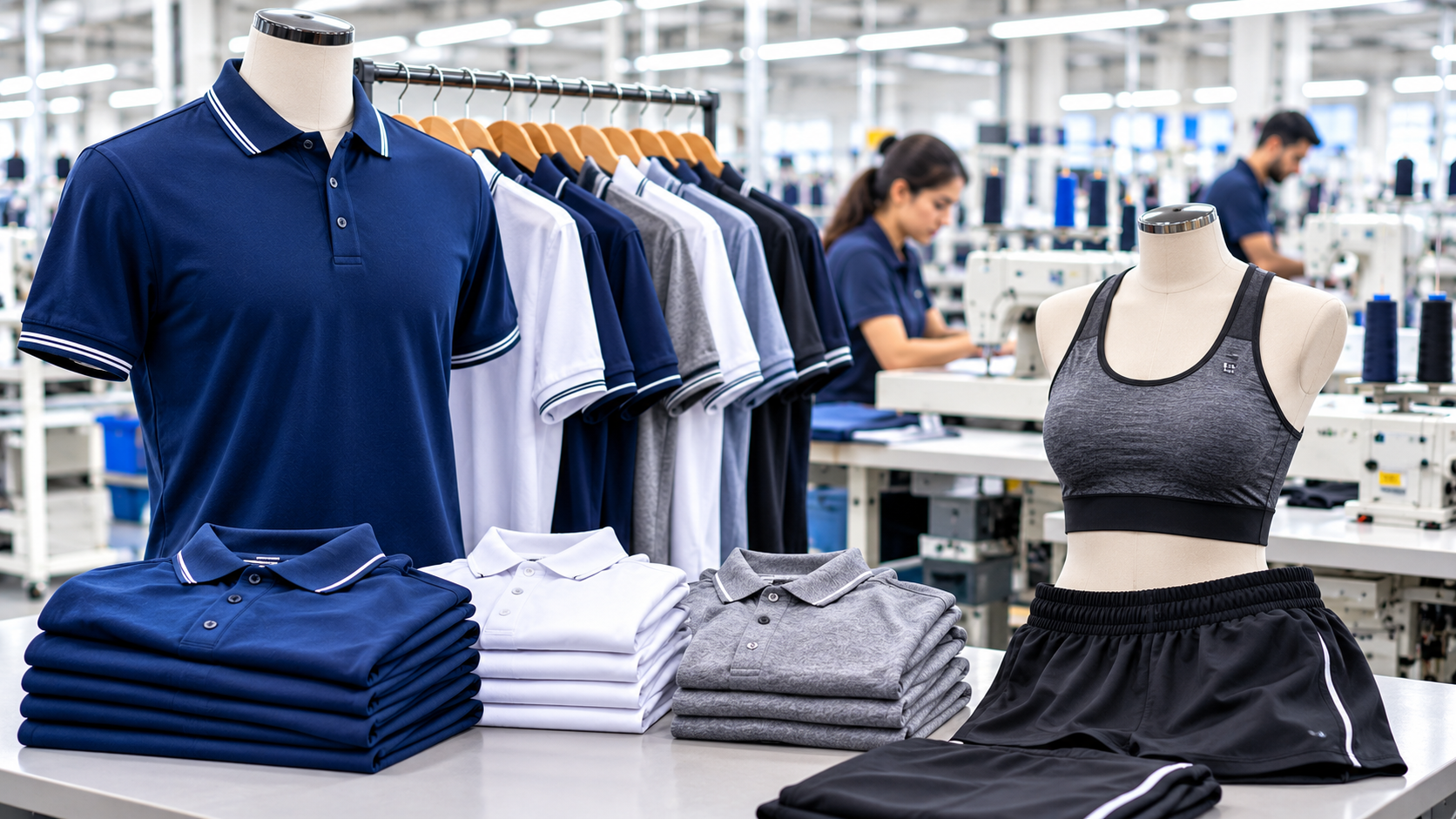
The clothing industry continues to evolve as businesses look for apparel that combines comfort, functionality, and individual style. Polo shirts and activewear are two popular categories that serve different customer needs. Polo shirts are commonly used for casual outfits, workplace uniforms, sports teams, and everyday clothing, while activewear is designed for exercise, training, and other physical activities. For clothing brands, developing these products requires careful planning, suitable materials, and attention to garment construction.
The Apparel Partner is a clothing manufacturing company that works with startups, independent fashion labels, and established businesses. Its services include custom clothing production, private label manufacturing, and apparel development. Through its polo shirt and fitness clothing categories, the company provides information about different garment options and production requirements for businesses planning new collections.
Understanding Custom Polo Shirt Manufacturing
Polo shirts are versatile garments that fit into casual, corporate, and sportswear collections. Their classic collar, button placket, and structured appearance make them suitable for different markets. However, developing a polo shirt collection involves several decisions, including fabric selection, collar design, sleeve length, fit, and finishing details.
A custom polo shirt manufacturer helps businesses turn their design ideas into finished garments based on specific requirements. Brands can consider cotton piqué, performance fabrics, different colour combinations, embroidered logos, and customised labels.
The Apparel Partner offers custom polo manufacturing services that include fabric selection, garment construction, and branding options. These elements allow businesses to plan polo collections according to their intended audience and product identity.
The Role of a Private Label Polo Manufacturer
Private label clothing production gives businesses the opportunity to sell garments under their own brand identity. Rather than purchasing standard products without customisation, brands can develop clothing with their preferred labels, colours, designs, and packaging.
Working with a private label polo manufacturer can be useful for fashion startups, corporate clothing suppliers, retailers, and independent designers. The process generally involves discussing product specifications, choosing materials, approving samples, and confirming branding requirements before production begins.
The Apparel Partner provides private label manufacturing services that include woven labels, printed tags, embroidery, and customised packaging. These details help businesses maintain a consistent appearance across their clothing collections.
Planning Bulk Custom Polos in the USA
Bulk clothing production requires proper coordination between design, materials, manufacturing, and delivery. Businesses ordering larger quantities need to consider sizing requirements, colour consistency, fabric availability, and quality checks.
When researching bulk custom polos USA, clothing brands should compare production specifications and understand the manufacturing arrangements before placing an order. Important considerations include minimum order quantities, sample approval, production schedules, shipping costs, and communication throughout the process.
The Apparel Partner works with businesses in the USA and UK and provides apparel manufacturing and international shipping services. Its polo manufacturing options cover different styles, including classic cotton polos, performance polos, and custom-branded designs.
Why Businesses Consider a Custom Activewear Manufacturer
Activewear has become an important category for fitness brands, sports businesses, and everyday clothing labels. Customers often look for garments that provide comfort, flexibility, breathability, and practical features during physical activities.
A custom activewear manufacturer supports brands in developing products according to their preferred designs, fabrics, and construction requirements. Common activewear products include leggings, sports bras, training tops, gym T-shirts, shorts, and joggers.
The Apparel Partner's fitness clothing range includes several of these categories. Businesses can explore different fabric options, garment styles, and customisation details when planning an activewear collection.
Material selection is particularly important in this category. Polyester blends, stretch fabrics, and moisture-managing materials are commonly considered for training garments. The final choice depends on the intended activity, comfort requirements, and product specifications.
Private Label Gym Wear and Brand Identity
Gym clothing brands often want their products to have a consistent visual identity. This involves more than choosing a logo. Fabric colours, garment shapes, stitching, labels, and packaging all contribute to how a collection is presented.
A private label gym wear manufacturer can help businesses develop fitness clothing under their own branding. The process may include selecting garment styles, confirming measurements, choosing fabrics, and deciding how logos and labels should appear.
The Apparel Partner offers private label activewear production with custom branding options. Its manufacturing information also covers product development, garment construction, labelling, and packaging. These services are relevant to both new businesses developing their first fitness collection and established brands updating existing product ranges.
Important Factors Before Starting Apparel Production
Before moving forward with a manufacturing project, businesses should prepare clear product requirements. Some important factors include:
-
Fabric quality: Select materials that suit the garment's purpose and intended use.
-
Design specifications: Confirm colours, measurements, patterns, collars, sleeves, and other details.
-
Branding: Decide on embroidery, printing, labels, and packaging.
-
Sampling: Review samples to assess fit, construction, and finishing.
-
Order quantities: Discuss minimum quantities and production capacity.
-
Quality control: Check stitching, sizing, material consistency, and garment finishing.
-
Delivery planning: Understand production schedules, shipping arrangements, and costs.
Planning these details early can help reduce production misunderstandings and make the manufacturing process easier to manage.
Frequently Asked Questions
1. What does a custom polo shirt manufacturer provide?
A custom polo shirt manufacturer produces polo shirts according to a brand's specifications, including fabric, colours, sizing, design details, and branding.
2. What is the difference between custom and private label polo shirts?
Custom polo shirts focus on garment design and specifications, while private label polo shirts are produced with a business's own branding, labels, and packaging.
3. What should businesses consider when ordering bulk custom polos?
Businesses should review fabric options, sizing, sample quality, minimum order quantities, production timelines, and shipping arrangements.
4. What products can a custom activewear manufacturer produce?
Common products include leggings, sports bras, gym tops, training T-shirts, shorts, and joggers. Product options depend on the manufacturer's capabilities.
5. Can gym wear include custom branding?
Yes. Gym wear can include embroidered logos, printed designs, woven labels, printed tags, and branded packaging, depending on the selected production requirements.
Conclusion
Polo shirts and activewear offer clothing businesses opportunities to develop collections for different customer groups. However, successful production depends on thoughtful design decisions, suitable materials, accurate sizing, and consistent quality checks. The Apparel Partner provides custom clothing, polo shirt, and private label activewear manufacturing services for businesses exploring these product categories. Understanding its production options can help brands plan their collections with clearer requirements and realistic expectations.

 English
 French
 Spanish
 Portuguese
 Deutsch
 Turkish
 Dutch
 Italiano
 Russian
 Romaian
 Portuguese (Brazil)
 Greek