


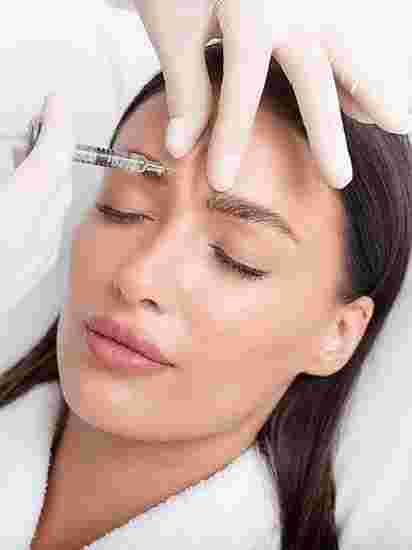
A heavy brow or deep horizontal creases across the upper face can quietly shift how rested or approachable you appear, even when you feel energetic inside. Many people assume a brow rejuvenation procedure reveals its finished look the moment bandages come off, yet facial tissue settles on its own schedule. Understanding how swelling, bruising, and skin relaxation unfold over time sets realistic expectations from day one. Anyone considering a Forehead Lift in Islamabad benefits from knowing both the early milestones and the gradual refinements that take months to complete.
Because the upper face contains delicate muscles, fine nerves, and thin skin, healing progresses in distinct phases rather than overnight. Knowing what happens during each stage helps you stay patient while your brow rises into a natural, unforced position.
The First Two Weeks: Early Swelling and Initial Shifts
Immediately after surgery, puffiness across the brow ridge, eyelids, and upper temples is completely normal. Your forehead may look slightly over-elevated or tight during the first several days, which surgeons intentionally account for because minor downward settling occurs as tissues relax. Mild bruising can also travel downward toward the upper cheeks or around the eyes due to gravity.Most patients see the first encouraging outline of a smoother brow by the end of week one or two, once initial fluid retention begins receding and sutures or dressings are addressed. Still, residual puffiness softens crisp angles, so early photos only hint at the final contour rather than showing the finished result.
Weeks Three to Six: Returning Comfort and Sharper Angles
By the third and fourth weeks, the bulk of surface bruising typically fades, and the heavy, tight sensation across the scalp and forehead eases considerably. Horizontal lines across the upper brow appear noticeably softer, and the heaviness pressing down on the upper eyelids often feels lighter, giving the eyes a more open appearance.Around weeks four to six, subtle tissue shifts continue as internal healing stabilizes. You can usually return to routine social activities and lighter workouts with confidence, though mild tightness or occasional tingling along the scalp remains common as tiny sensory nerves recover.
Months Two to Six: Settling into Natural Expression
True refinement happens between the second and sixth month after the procedure. Deep swelling beneath the skin resolves gradually, allowing the brow position to settle into a balanced, natural height that complements your eyes and midface rather than looking pulled or surprised.
Scar lines along the hairline or scalp—depending on the surgical approach used—also mature steadily during this window. Thickening or redness slowly pales, blending more seamlessly with surrounding hair or skin as collagen remodels beneath the surface.
Factors That Shape Your Timeline
No two healing journeys look identical, even when two people undergo the same surgical technique. Several practical factors influence how quickly your final look emerges:
-
Surgical Approach: Endoscopic techniques, hairline incisions, and brow-specific lifts vary in how much tissue is lifted and how long deep edema lingers.
-
Skin Elasticity and Thickness: Thicker skin or greater sun damage can hold onto subtle swelling a little longer or show slightly slower surface smoothing.
-
Individual Healing Rate: Age, circulation, genetics, and how closely you follow post-operative head elevation and rest guidelines all play a role.
-
Adjunctive Treatments: Combining a forehead lift with eyelid surgery or targeted facial care can extend early swelling and add extra layers to your recovery timeline.
How to Support Smooth, Predictable Healing?
Simple daily habits during recovery protect delicate tissues and help your results emerge cleanly without unnecessary setbacks. Keeping your head elevated while resting during the first week or two limits fluid pooling in the upper face, while cool compresses—used only as advised by your surgeon—can soothe early puffiness.Avoiding strenuous heavy lifting, direct heat exposure, and nicotine keeps blood flow steady and supports healthy tissue repair. Attending scheduled follow-up visits also ensures any minor concerns are spotted early and addressed calmly while healing is still underway.
Final Thoughts
While early improvements around the brow and eyes often show up within a couple of weeks, forehead lift results generally take three to six months to look completely settled and natural. Patience during those middle weeks pays off as lingering puffiness clears and your expression regains an open, refreshed balance. With thoughtful aftercare and realistic expectations, the finished outcome reflects a rested version of your own natural features rather than an artificial change.

 English
 French
 Spanish
 Portuguese
 Deutsch
 Turkish
 Dutch
 Italiano
 Russian
 Romaian
 Portuguese (Brazil)
 Greek