


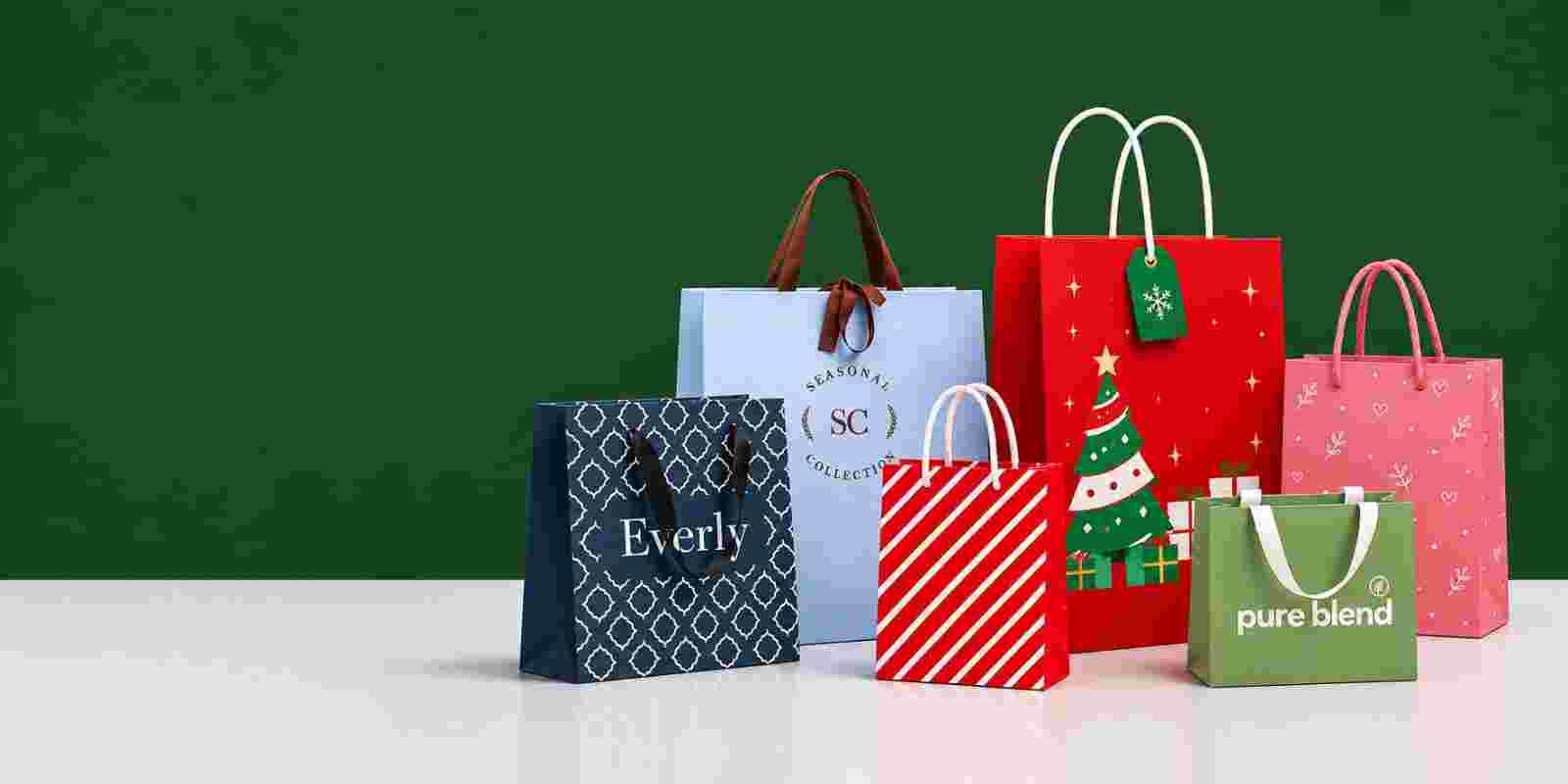
Discover how custom paper bags wholesale help businesses cut packaging costs, improve brand visibility, and choose affordable packaging solutions.
Packaging is an essential expense for retailers, restaurants, boutiques, e-commerce businesses, and other companies selling physical products. Although packaging protects merchandise and supports the customer experience, purchasing bags in small quantities or selecting unnecessarily expensive materials can increase operational costs. Businesses looking for a practical way to manage these expenses often consider custom paper bags wholesale as an affordable packaging solution.
Custom paper bags allow businesses to package products professionally while incorporating logos, brand colors, messages, and other design elements. Buying them in bulk can also reduce the cost per bag, simplify inventory management, and help businesses maintain a consistent packaging supply.
Whether you operate a retail store, bakery, clothing brand, gift shop, or food business, understanding how to purchase custom paper bags efficiently can help you make better purchasing decisions without compromising packaging quality.
Why Custom Paper Bags Matter for Businesses
Packaging is more than a container used to carry products. It influences product presentation, customer convenience, brand recognition, and the overall shopping experience. A well-designed paper bag can make an ordinary purchase feel more professional while giving customers a convenient way to transport their products.
Businesses can customize paper bags according to their product dimensions, weight, branding requirements, and budget. Options may include kraft paper, white paper, different handle styles, custom printing, and various sizes.
For businesses that regularly need packaging, purchasing custom paper bags wholesale can make these benefits more affordable. Bulk purchasing provides an opportunity to plan packaging expenses in advance instead of repeatedly ordering small quantities at higher prices.
Buy Custom Paper Bags in Bulk to Lower Unit Costs
One of the most effective ways to reduce packaging costs is to increase the quantity purchased per order. Packaging suppliers often offer different pricing levels depending on order volume, material selection, printing requirements, and manufacturing specifications.
When businesses purchase a small quantity of bags, setup, production, and handling expenses may represent a larger portion of the overall order cost. Larger orders can distribute these expenses across more units, potentially lowering the price of each bag.

Compare Wholesale Pricing by Quantity
Before placing an order, request quotes for multiple quantities rather than considering only one order size. For example, compare pricing for 500, 1,000, 2,500, and 5,000 bags.
The goal is to identify the quantity that offers the best balance between unit price and inventory cost.
A larger order may offer a lower price per bag, but businesses should also consider storage space, cash flow, seasonal demand, and the possibility of changing their branding or packaging requirements.
Practical tip: Calculate the total purchase price and divide it by the number of bags received. This gives you a straightforward unit cost that can be compared across suppliers.
Choose the Right Paper Material for Your Budget
Paper selection directly affects packaging costs. Businesses do not necessarily need the thickest or most expensive paper available for every product.
Different paper materials provide different levels of strength, appearance, texture, and print compatibility. Choosing the appropriate material based on the product's weight and intended use can help prevent unnecessary spending.
Kraft Paper Bags for Cost-Effective Packaging
Kraft paper bags are a popular option for businesses seeking simple, practical, and budget-friendly packaging. Their natural brown appearance works well with minimalist branding, organic-inspired designs, retail products, bakery items, and gift packaging.
Depending on the specifications, kraft paper bags may provide a suitable balance between durability, appearance, and cost.
White Paper Bags for Branded Retail Packaging
White paper bags offer a clean background for logos, colorful graphics, and printed branding. They are commonly used by boutiques, cosmetics retailers, clothing stores, and businesses that want a polished presentation.
Instead of selecting premium paper for every order, businesses can compare different paper weights and finishes to find a specification that meets their product requirements.
The best material is one that protects the merchandise, supports the brand's presentation, and stays within the packaging budget.
Simplify Printing to Reduce Custom Paper Bag Costs
Printing is another important factor influencing the cost of custom paper bags. Complicated artwork, multiple colors, extensive printing coverage, and specialty finishes may increase production expenses depending on the manufacturing process.
Businesses can reduce costs by simplifying their designs while keeping their packaging recognizable.
Use Minimalist Branding
A simple logo, brand name, website address, or short message can create an attractive paper bag without requiring a complicated design.
Minimalist printing can also make packaging easier to use across different product categories. For example, a retailer may use the same branded bag for several products rather than creating separate designs for each item.
Avoid Unnecessary Finishes
Special finishes such as foil stamping, embossing, debossing, laminating, and decorative coatings can enhance packaging appearance. However, not every business needs these features.
If the primary purpose of a bag is to carry products and promote brand recognition, standard printing may be sufficient.
Evaluate the visual benefit of each additional feature against its cost. Removing unnecessary finishing options can help keep wholesale packaging orders affordable.
Standardize Bag Sizes Across Multiple Products
Ordering several different bag sizes can complicate purchasing, increase inventory requirements, and sometimes create additional production costs.
Businesses can review their product range and identify opportunities to use fewer bag sizes without compromising functionality.
Create a Practical Size Range
Instead of ordering a separate bag for every product, consider developing three or four standard sizes:
-
Small bags for accessories, cosmetics, jewelry, and compact products.
-
Medium bags for clothing, gifts, books, and everyday retail purchases.
-
Large bags for multiple items, larger merchandise, and heavier purchases.
-
Extra-large bags for oversized products when necessary.
Standardized sizes make purchasing easier and can help businesses forecast their packaging requirements more accurately.
However, the bag must still accommodate the product comfortably. Choosing a bag that is too small may damage merchandise, while an excessively large bag can waste material and increase costs.
Select Handles That Match Your Packaging Needs
Paper bag handles influence both usability and production cost. Different handle types provide different levels of convenience, appearance, and strength.
Common options include twisted paper handles, flat paper handles, rope handles, and handleless bags.
Compare Handle Styles
Twisted paper handles are commonly used for retail and shopping bags because they offer convenient carrying and a familiar appearance.
Flat paper handles can be suitable for many lightweight retail applications. Rope handles may create a more premium presentation but could increase the overall packaging price depending on materials and construction.
Handleless paper bags are another option for businesses packaging lightweight items, food products, or merchandise that does not require a traditional carrying handle.
Choose the handle type based on the product's weight, customer convenience, and brand positioning rather than selecting an expensive option automatically.
Work With a Reliable Wholesale Packaging Supplier
Choosing a packaging supplier based only on the lowest quoted price can create problems later. Differences in paper quality, printing accuracy, bag dimensions, delivery schedules, and customer support can affect the overall value of an order.
A reliable supplier helps businesses understand available materials, printing methods, customization options, order quantities, and production timelines.
Request Samples Before Ordering
Samples allow businesses to inspect paper thickness, handle strength, printing quality, bag dimensions, and overall construction before committing to a large quantity.
This step is especially useful for companies purchasing custom paper bags wholesale for the first time.
A sample can help identify potential issues early, reducing the likelihood of receiving an unsuitable bulk order.
Compare the Total Cost of Ownership
When evaluating suppliers, compare more than the unit price. Consider:
-
Manufacturing and printing costs
-
Shipping charges
-
Minimum order quantity
-
Production lead time
-
Product quality
-
Design support
-
Replacement or quality-related policies
A supplier offering a slightly higher unit price may provide better overall value if the packaging meets specifications consistently and reduces purchasing complications.
Plan Inventory to Avoid Emergency Orders
Poor inventory planning can increase packaging expenses. When businesses run out of paper bags unexpectedly, they may need to place smaller urgent orders, pay additional shipping charges, or purchase generic bags at unfavorable prices.
A simple inventory management system can help prevent these situations.
Calculate Your Monthly Packaging Usage
Start by tracking how many bags your business uses each month. If your sales fluctuate throughout the year, review previous sales records to identify seasonal trends.
For example, clothing retailers may experience increased packaging demand during holiday shopping periods, promotions, and seasonal sales.
Use your average monthly consumption to estimate how long a wholesale order will last. Maintaining a reasonable safety stock can help prevent shortages while avoiding excessive inventory.
Order Before You Run Out
Establish a reorder point based on your remaining stock, supplier production time, and expected demand.
This approach allows you to place orders early enough to avoid rush purchases. Businesses with predictable demand may also benefit from scheduled purchasing, making packaging expenses easier to budget.
Use Custom Paper Bags as a Marketing Investment
Reducing packaging costs does not mean removing branding entirely. Custom paper bags can provide additional marketing value because customers may carry them outside the store.
A branded bag featuring a recognizable logo, attractive design, and website address can increase brand exposure in public spaces.
Turn Packaging Into Brand Visibility
Retail stores, clothing brands, boutiques, bakeries, gift shops, and specialty businesses can use custom paper bags to reinforce their brand identity.
A practical design should include recognizable branding without overcrowding the bag with unnecessary graphics or promotional messages.
Businesses can also incorporate QR codes, social media usernames, or website details when these elements are relevant to their customers.
By combining affordable materials with effective branding, companies can create packaging that serves both operational and marketing purposes.
Consider Eco-Friendly Options Without Overspending
Many businesses are exploring paper packaging as part of their packaging strategy. However, sustainability-related choices should also consider cost, material sourcing, product requirements, and local recycling infrastructure.
Paper bags may be recyclable where appropriate facilities are available, but coatings, adhesives, inks, and other components can influence how packaging is processed.
Choose Practical Sustainable Packaging
Businesses can consider kraft paper, responsibly sourced paper materials, recyclable designs, and minimal packaging features where suitable.
Avoid adding unnecessary layers, coatings, or decorative elements that do not improve the packaging's functionality.
The most practical packaging solution is one that meets business requirements while balancing cost, material use, and customer expectations.
Review Your Packaging Expenses Regularly
Packaging costs can change because of material prices, supplier pricing, shipping expenses, order quantities, and changing business needs.
Review your packaging purchases periodically to identify opportunities for improvement.
Compare current supplier quotes, examine bag specifications, evaluate inventory usage, and check whether your existing sizes and designs remain suitable.
Businesses growing their product range may also benefit from negotiating volume-based pricing or combining compatible packaging requirements into larger purchasing plans.
Regular reviews help prevent unnecessary expenses from becoming a permanent part of the business budget.
Frequently Asked Questions About Custom Paper Bags
1. How can businesses reduce the cost of custom paper bags?
Businesses can reduce costs by purchasing in bulk, choosing appropriate paper weights, simplifying printing, standardizing bag sizes, selecting practical handles, and comparing supplier quotes.
2. Are custom paper bags wholesale cheaper than small orders?
Wholesale orders often offer lower per-unit pricing because production expenses can be distributed across a larger quantity. However, the total investment is higher, so businesses should select quantities based on actual demand and storage capacity.
3. What is the most affordable material for custom paper bags?
Kraft paper is often a cost-effective choice for businesses seeking practical packaging with a natural appearance. The final price depends on paper weight, bag size, printing, handles, order quantity, and supplier specifications.
4. What is the minimum order quantity for custom paper bags?
Minimum order quantities vary by supplier, bag design, material, and printing requirements. Some manufacturers accept smaller orders, while others offer more competitive pricing at higher quantities. Always confirm the MOQ before placing an order.
5. Can affordable custom paper bags still look professional?
Yes. Professional packaging does not always require expensive materials or decorative finishes. A suitable bag size, clean design, quality printing, and consistent brand colors can create an attractive presentation at a reasonable cost.
6. How do I choose the right size for custom paper bags?
Measure the product's width, height, and depth, and allow enough room for comfortable placement and removal. Consider whether customers will carry one product or multiple items and whether the bag requires additional space for protective packaging.
7. How far in advance should businesses order wholesale paper bags?
Order according to your usage rate, supplier lead time, and seasonal demand. Placing orders before inventory becomes low can help businesses avoid emergency purchases and unexpected shipping expenses.
8. Are custom paper bags suitable for small businesses?
Yes. Custom paper bags can help small businesses maintain consistent branding and professional packaging. Starting with a limited selection of bag sizes and a simple printed design can make customization more manageable.
Conclusion
Reducing packaging costs requires more than finding the cheapest paper bag. Businesses should consider purchasing quantities carefully, choosing suitable materials, simplifying printing, standardizing bag sizes, selecting practical handles, and working with dependable suppliers.
Custom paper bags wholesale can help companies manage packaging expenses while maintaining professional product presentation and brand visibility. With thoughtful planning, businesses can create packaging that supports everyday operations, customer convenience, and long-term brand recognition.
HOF PACK is a custom packaging manufacturer offering custom paper bags, mailer boxes, rigid boxes, retail packaging, shipping boxes, and other packaging solutions at wholesale rates. Businesses can explore customized packaging options to match their product requirements, branding goals, and budget.

 English
 French
 Spanish
 Portuguese
 Deutsch
 Turkish
 Dutch
 Italiano
 Russian
 Romaian
 Portuguese (Brazil)
 Greek