


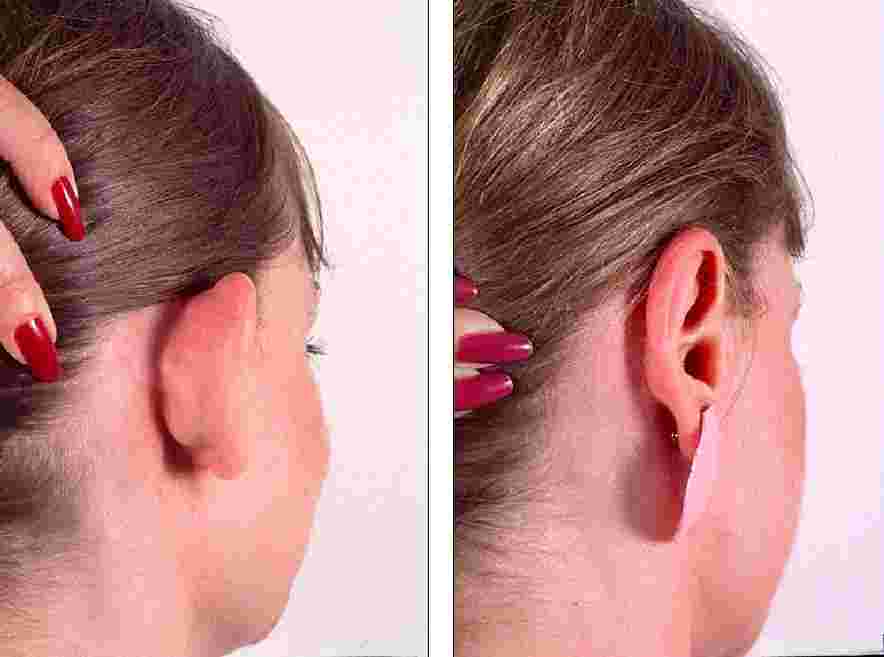
The shape and position of the ears can influence the overall appearance of the face. While ears naturally vary in size, shape, and angle, some people feel that their ears are too prominent, uneven, or differently positioned. These concerns may lead individuals to explore cosmetic ear surgery. Otoplasty is a procedure that can adjust the structure and position of the ears to create a more balanced appearance. Those researching ear reshaping surgery in Islamabad can benefit from understanding the treatment process, available techniques, and recovery expectations.
Understanding the Role of Otoplasty
Otoplasty is a cosmetic surgical procedure performed to change the appearance of the external ears. It may address prominent ears, irregular cartilage folds, or certain differences in ear shape.
The procedure is planned according to each patient's anatomy and desired outcome. Rather than following one standard approach, the surgeon evaluates the cartilage, ear position, and surrounding facial features before recommending treatment.
The objective is to create a natural appearance while maintaining the individual characteristics of the ears.
Common Reasons People Consider Ear Surgery
People consider otoplasty for different cosmetic reasons. Some are concerned about ears that extend outward, while others want to improve visible differences between the two sides.
Common concerns include:
-
Ears that project noticeably away from the head
-
Underdeveloped natural folds in the ear cartilage
-
Uneven positioning between the left and right ears
-
Cartilage shape that creates an unusual ear contour
-
Changes in ear appearance following an injury
A consultation helps establish whether these concerns can be addressed through otoplasty or whether another treatment approach is more appropriate.
Different Techniques Used in Ear Reshaping
The surgical technique depends on the specific concern being treated. One commonly used approach involves placing an incision behind the ear to access the cartilage.
The surgeon may use internal sutures to create or improve natural folds. If the cartilage requires additional adjustment, reshaping techniques may be considered.
For prominent ears, the procedure may also involve reducing the depth of the conchal bowl or adjusting the angle between the ear and head.
The selected method should be based on the patient's anatomy rather than cosmetic trends.
Who Is a Suitable Candidate?
O

 English
 Arabic
 French
 Spanish
 Portuguese
 Turkish
 Dutch
 Italiano
 Russian
 Romaian
 Portuguese (Brazil)
 Greek