


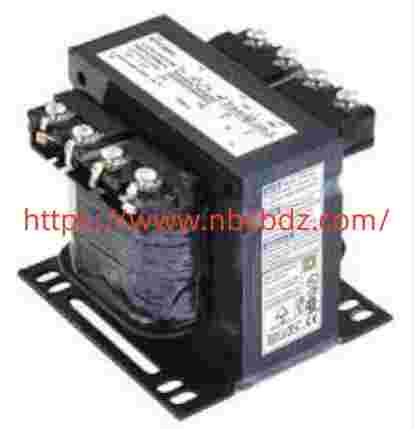
Many electrical products rely on components that receive little attention once the equipment is assembled. Transformers are a good example. They may sit inside a control cabinet, household appliance or industrial device, quietly handling an important part of its power system. When sourcing from a Low-frequency Transformer Factory, buyers should consider more than the basic purpose of the component. Material quality, construction methods and the manufacturer's understanding of the final application can all influence how well the transformer fits into a product.
The core is one of the first details worth examining. Low-frequency transformers commonly use laminated electrical steel. The sheets are stacked to create a magnetic path, while the insulation between them helps reduce losses associated with circulating currents. The quality of the steel, the condition of its surface and the accuracy of the stacking process all matter. Poorly handled laminations may affect the finished core and create unnecessary variation between products. Buyers can ask about material sourcing and how the core is assembled and secured.
Winding materials also deserve careful consideration. Copper is widely used because of its conductivity and established role in electrical equipment. Aluminium may be selected for certain designs, depending on the application and the manufacturer's construction approach. However, comparing conductors by material cost alone can lead to an incomplete decision. Winding arrangement, insulation, connection quality and heat management also influence the finished component. A supplier should be able to explain why a particular material is appropriate for the intended use.
The selection process becomes clearer when buyers start with the equipment rather than a catalogue image. A transformer used in a control panel may face different installation conditions from one built into a household appliance or a piece of industrial machinery. The surrounding components, available space, operating environment and required electrical isolation all affect the design. Sharing a circuit drawing or a description of the application helps the manufacturer understand what the component needs to do. It also gives both sides a practical starting point for discussing customization.
Physical construction can influence installation just as much as electrical suitability. Some equipment requires a transformer with a particular mounting arrangement, while other designs need terminals positioned for easy wiring. The shape of the core, the bobbin structure and the direction of the leads can affect how the component fits alongside other parts. Buyers should check these details before confirming an order. A sample or engineering drawing can reveal problems that may not be obvious during an initial product discussion.
The technology behind a low-frequency transformer is based on electromagnetic induction. Alternating current in the primary winding produces a changing magnetic field in the core. This field transfers energy to the secondary winding, allowing the transformer to provide the electrical output required by the connected circuit. Depending on the design, the component may also provide isolation between circuits. The core and winding arrangement work together, so changes to either can influence the behavior of the finished transformer.
Manufacturing consistency is especially important when transformers are used in equipment produced repeatedly. Core laminations need to remain properly aligned, windings should be arranged carefully, and connections must be secure. Insulating materials need to be applied without damage or gaps that could compromise the intended protection. Inspection should cover more than the external appearance. Electrical checks and workmanship reviews help identify problems before products are packed. Buyers may also want to understand how the manufacturer handles production records, sample approval and changes to an agreed design.
For people assembling or maintaining electrical equipment, small design details can make a noticeable difference. Clearly positioned terminals are easier to connect. A stable mounting structure can simplify installation, while orderly lead arrangements help reduce confusion during wiring. If the transformer needs to be replaced during servicing, accessible connections and recognizable markings can save time. These considerations may seem secondary during product selection, yet they often shape the day-to-day experience of technicians and equipment manufacturers.
Appearance is closely connected to workmanship. A clean core assembly, tidy winding finish and properly protected connections make a transformer easier to inspect before installation. The external design should also suit the equipment in which it will be placed. In some cases, a compact form is important; in others, mounting convenience or protective housing may matter more. The right design is not necessarily the most elaborate one. It is the one that accommodates the electrical and physical needs of the application without making assembly unnecessarily difficult.
Ningbo Chuangbiao Electronic Technology Co., Ltd. works in the electronic transformer field, offering products for customers with different electrical equipment requirements. Buyers considering a transformer can contact the company with their application details, drawings or sample requirements to discuss suitable construction and production options. Further product information is available at https://www.nbcbdz.com/product/

 English
 French
 Spanish
 Portuguese
 Deutsch
 Turkish
 Dutch
 Italiano
 Russian
 Romaian
 Portuguese (Brazil)
 Greek