


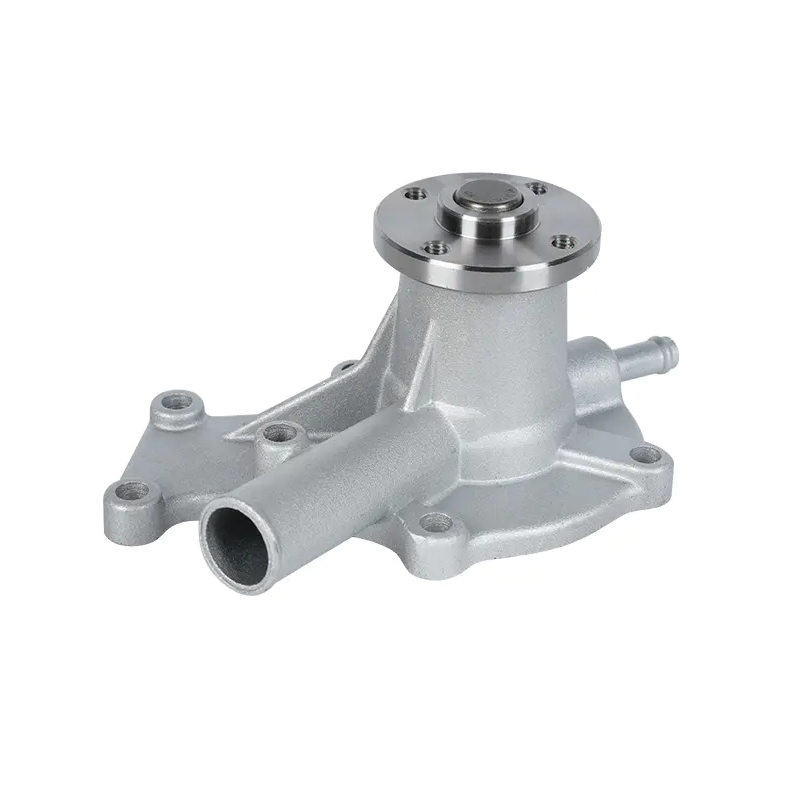
Water rarely arrives exactly where crops need it. A field may sit far from a river, a greenhouse may rely on a storage tank, and a farm may need to move water between several irrigation zones. These situations make an Agricultural Water Pump an important piece of equipment in modern farming operations. For agricultural equipment wholesalers, irrigation contractors, and project purchasers, understanding pump applications is a useful starting point when selecting suitable products.
Different farms have different water delivery requirements. Small agricultural plots may need a compact pump for transferring water from a shallow source, while larger farms often require equipment capable of supplying an extensive irrigation network. Greenhouses, orchards, vegetable fields, and livestock facilities also have distinct water demands. A suitable pump configuration should therefore reflect the water source, required flow rate, delivery distance, and operating conditions.
Pump structure is closely related to its intended application. Centrifugal pumps are commonly used for moving water in irrigation and general transfer applications. Submersible pumps operate underwater and are suitable for certain wells, tanks, and water collection systems. Self-priming pumps provide another option for applications where the pump needs to draw water from a source before normal operation. Each type has different installation requirements and performance characteristics.
When evaluating an Agricultural Water Pump, buyers should pay attention to several technical specifications. Flow rate indicates the volume of water delivered over a given period, while head describes the height or pressure against which the pump can move water. Motor power, inlet and outlet diameters, voltage, and pump body material are also relevant purchasing factors. Looking at these specifications together helps buyers avoid choosing equipment based on a single performance figure.
Water conditions deserve consideration as well. Clean water from a storage tank presents different requirements from water containing small particles or sediment. Pump materials, impeller structures, and inlet arrangements should correspond to the intended water source. For agricultural projects involving wells, ponds, or canals, purchasers should communicate these conditions clearly during product selection.
An Agricultural Water Pump is not simply a machine that moves water from one location to another. Its structure and specifications influence how effectively a farm's water distribution system operates. For buyers, understanding the actual application is the foundation of a sensible purchasing decision.

 English
 French
 Spanish
 Portuguese
 Deutsch
 Turkish
 Dutch
 Italiano
 Russian
 Romaian
 Portuguese (Brazil)
 Greek