


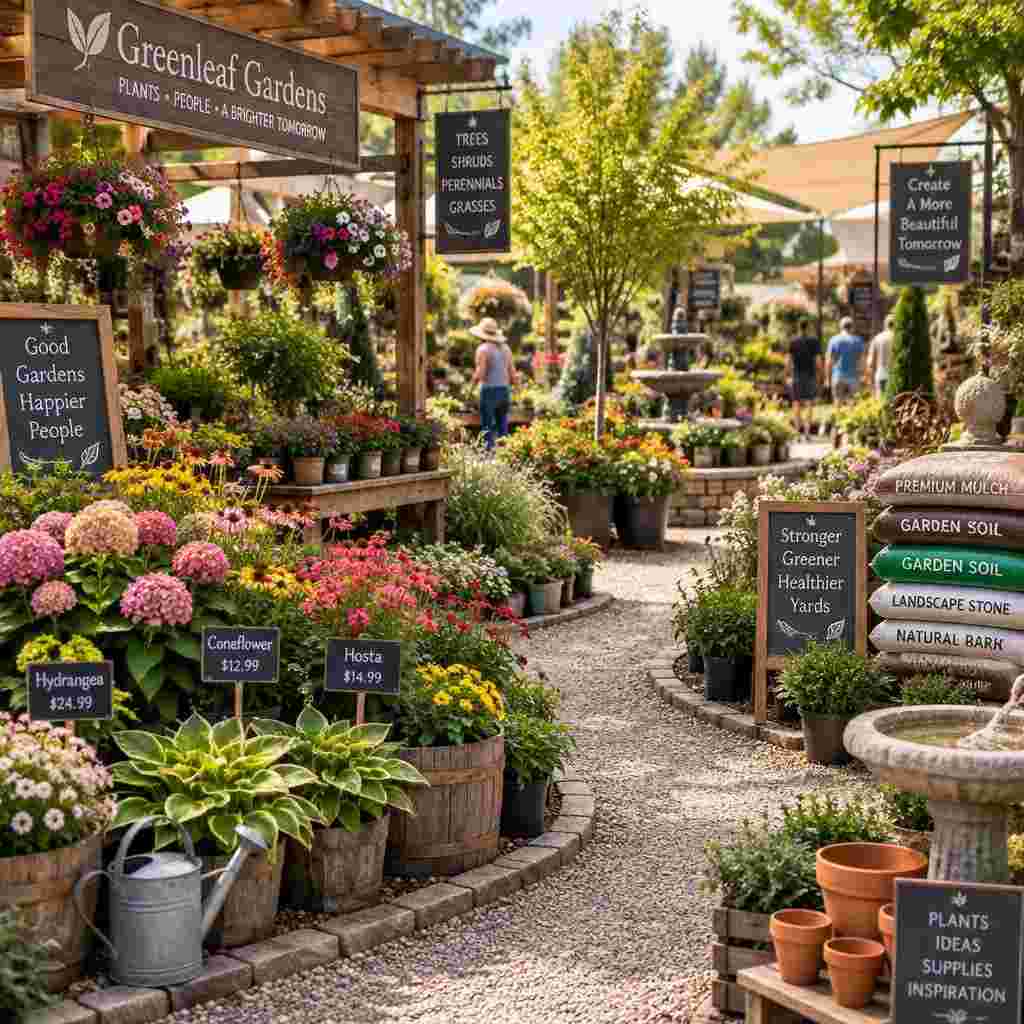
Outdoor environments are becoming an increasingly important part of residential development, commercial property planning, and community improvement. People are paying greater attention to how gardens, lawns, patios, and shared green spaces contribute to their surroundings. This changing perspective is creating new possibilities for the landscaping market. Professional landscaping now involves much more than planting flowers or maintaining grass. It includes creative design, outdoor construction, irrigation planning, garden management, and the development of functional green environments. As property owners explore better ways to utilize outdoor spaces, landscaping businesses are finding opportunities to introduce customized services and innovative design approaches.
The increasing interest in landscape design and construction demonstrates the importance of professionally developed outdoor environments. These services help transform available land into organized and attractive spaces through planting arrangements, pathways, retaining structures, outdoor lighting, seating areas, and other landscape features. Customers increasingly expect landscaping projects to reflect their individual preferences while maintaining practical functionality. This creates opportunities for professionals who can combine creative concepts with construction knowledge and long-term maintenance planning.
The Evolution of Outdoor Design
Outdoor design is evolving as people seek environments that support relaxation, entertainment, recreation, and everyday activities. Gardens are increasingly being planned according to how property owners intend to use them.
Residential properties may incorporate outdoor dining areas, shaded seating, decorative walkways, and landscaped courtyards. Commercial properties may prioritize welcoming entrances, organized pedestrian routes, attractive green spaces, and outdoor areas for employees and visitors.
Landscape designers must consider how these features work together. Plant selection, surface materials, drainage, lighting, and available space all influence the final design.
A well-planned landscape should also complement the architectural style of the property. Coordinating outdoor materials, colors, textures, and vegetation helps create a consistent appearance between buildings and surrounding environments.
Smart Technology in Landscaping
Technology is introducing new possibilities for landscape planning and maintenance. Digital design software allows professionals to prepare visual representations of proposed projects before beginning physical work.
These tools help customers understand how their gardens may look after installation. They also allow designers to explore different planting arrangements, pathways, outdoor structures, and lighting concepts.
Smart irrigation systems are another useful development. These systems can help manage watering schedules and distribute water according to garden requirements. Soil moisture monitoring can also support more informed irrigation decisions.
Automated lawn maintenance equipment is creating additional possibilities for managing suitable outdoor areas. Such technology can reduce repetitive maintenance work and help service providers organize their operations.
Outdoor Lighting and Functional Spaces
Lighting is becoming an important component of contemporary landscape design. It improves the usability of outdoor spaces after sunset while highlighting selected garden features.
Pathway lighting can improve visibility along walking routes. Decorative lighting can emphasize trees, plants, water features, and architectural details. Outdoor lighting around seating and entertainment areas can create a comfortable atmosphere.
However, lighting design requires careful planning. The placement, brightness, direction, and type of lighting should complement the overall landscape without creating unnecessary glare or excessive energy consumption.
Functional outdoor spaces also require suitable materials. Weather-resistant furniture, durable pathways, appropriate paving, and practical drainage solutions help ensure that outdoor installations remain useful.
Commercial Landscaping and Public Spaces
Commercial landscaping is becoming an important consideration in the development of modern business environments. Offices, hospitality properties, educational campuses, healthcare facilities, and retail developments often use landscaping to create attractive surroundings.
A thoughtfully designed outdoor environment can improve the visitor experience and make shared areas more welcoming. Businesses may incorporate landscaped entrances, green courtyards, shaded walkways, and outdoor seating arrangements.
Public spaces also benefit from professional landscape planning. Parks, recreational areas, community gardens, and pedestrian environments require designs that balance appearance, accessibility, environmental considerations, and maintenance requirements.
These projects often involve coordination between landscape designers, construction professionals, maintenance teams, and property managers.
The Growing Importance of Maintenance
Landscape installation is only one part of creating a successful outdoor environment. Regular maintenance is essential for preserving the health and appearance of gardens.
Maintenance activities may include mowing, pruning, fertilization, irrigation management, weed control, seasonal planting, and tree care.
Property owners increasingly appreciate the convenience of professional maintenance arrangements. Rather than managing every garden activity independently, they can work with landscaping companies that understand the requirements of their outdoor environments.
For landscaping businesses, maintenance services can also create continuing relationships with customers.
What Lies Ahead for the Landscaping Market?
The future of the landscaping market will be influenced by outdoor lifestyle preferences, technological developments, environmental awareness, and property improvement activities.
Customers are increasingly interested in customized outdoor environments that combine appearance with functionality. Landscaping businesses that understand these preferences can develop services around garden design, construction, smart irrigation, sustainable planting, and professional maintenance.
The industry's future will also depend on the ability of service providers to adapt to different customer requirements and environmental conditions.
Ultimately, landscaping is becoming an important part of modern property planning. By combining thoughtful design, practical technology, and responsible maintenance, landscaping professionals can help create outdoor environments that remain attractive and useful over time.
Frequently Asked Questions
Q1. How is technology changing the landscaping market?
Technology supports digital landscape visualization, automated maintenance, smart irrigation, and more organized project planning, helping professionals deliver efficient landscaping services.
Q2. What are the important elements of modern landscape design?
Important elements include suitable plants, functional pathways, outdoor lighting, comfortable seating, effective drainage, sustainable materials, and practical maintenance arrangements.

 English
 French
 Spanish
 Portuguese
 Deutsch
 Turkish
 Dutch
 Italiano
 Russian
 Romaian
 Portuguese (Brazil)
 Greek