


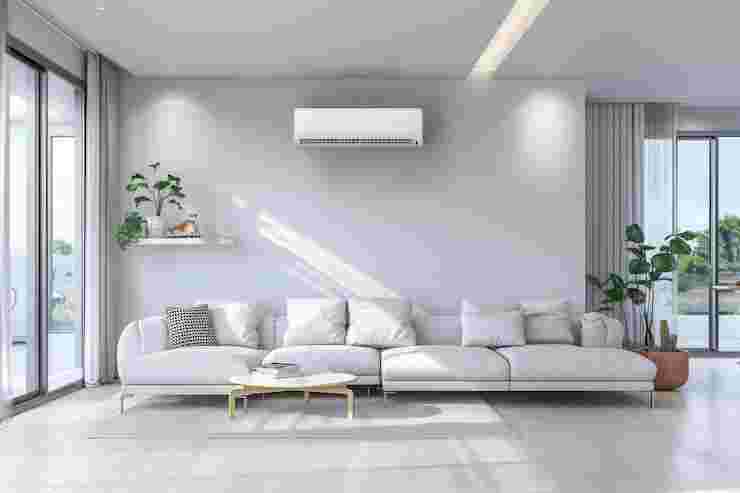
Vietnam’s residential cooling requirements are closely connected to its tropical climate, expanding urban housing landscape, changing household comfort expectations, and increasing adoption of energy-efficient electrical appliances. Air conditioning has become an important consideration for households seeking consistent indoor temperatures, particularly in densely populated cities and residential developments where natural ventilation may not provide sufficient thermal comfort. These conditions are creating opportunities for manufacturers to expand product offerings across different cooling capacities, technologies, price categories, and installation formats.
According to a Vyansa Intelligence report, the Vietnam Room Air Conditioners Market was valued at USD 1.02 Billion in 2025 and is projected to reach USD 1.48 Billion by 2032, registering a CAGR of 5.46% during 2026-2032. This expansion reflects sustained cooling requirements, growing residential appliance adoption, technological improvements, and increasing consumer attention to electricity consumption and product efficiency.
Rising Temperatures Sustain Residential Cooling Requirements
Vietnam's climatic conditions provide a structural foundation for residential air conditioning demand. High temperatures, humidity, and seasonal heat exposure increase the need for indoor temperature management across residential and commercial environments. In urban locations, densely constructed buildings and limited natural ventilation can further intensify indoor heat accumulation.
Room air conditioners are particularly relevant for individual households, apartments, condominiums, and secondary residences where occupants require dedicated cooling rather than building-wide systems. Bedrooms, living rooms, and home offices represent important applications because temperature comfort directly influences the usability of residential spaces.
According to this industry report, sustained cooling requirements support demand across different household income categories and residential building formats. Manufacturers can address these requirements through differentiated products offering suitable cooling capacities, installation flexibility, and varying levels of technological sophistication.
Housing Development Creates New Installation Opportunities
Vietnam's expanding residential construction environment provides an important demand channel for household cooling appliances. New apartment developments, individual housing projects, and improvements in residential infrastructure create opportunities for air conditioning installations.
The relationship between housing development and appliance adoption is particularly relevant because cooling equipment is increasingly considered during residential furnishing and electrical appliance purchasing decisions. Developers, property owners, and households evaluate cooling requirements according to room dimensions, building orientation, ventilation, and expected occupancy.
In this report, residential construction is an important demand consideration because new housing creates opportunities for first-time installations, while existing households contribute to replacement demand and equipment upgrades.
Apartments and condominiums also create specific product requirements. Compact installation configurations, efficient cooling performance, low operating noise, and space optimisation influence product suitability. Manufacturers offering flexible split systems and different cooling capacities can address these varied residential requirements.
Energy Efficiency Is Becoming Central to Purchasing Decisions
Electricity consumption represents a significant consideration when Vietnamese households evaluate air conditioning products. Extended cooling requirements can influence household electricity expenditure, making energy efficiency an increasingly important purchasing criterion.
Inverter technology provides an important differentiation opportunity through variable-speed compressor operation, which adjusts cooling output according to changing indoor temperature requirements. This allows manufacturers to target consumers seeking consistent cooling performance and better control over operating costs.
Vietnam's energy-efficiency policy environment is reinforcing this transition. The Ministry of Industry and Trade has established requirements for energy-efficiency testing and labelling of non-ducted air conditioners under updated Vietnamese standards. The implementation framework strengthens the importance of technical compliance and transparent product-performance information.
Latest market analysis indicates that energy-efficient equipment can strengthen manufacturers' competitive positioning as consumers increasingly consider operating expenditure alongside initial purchase prices.
Product Innovation Is Expanding Competitive Differentiation
Technological development is influencing how manufacturers differentiate their residential cooling portfolios. Inverter and non-inverter systems address different affordability and performance requirements, while split and window configurations provide alternatives according to building characteristics and installation preferences.
Split air conditioners remain particularly relevant for households seeking permanent room-level cooling. Their installation flexibility and product variety make them suitable for different residential layouts. Window air conditioners and other configurations can address specific requirements where installation conditions or purchasing preferences differ.
Smart and connected functionality is another emerging product consideration. Remote temperature adjustment, programmable operation, intelligent cooling modes, and connected applications provide additional convenience for households managing indoor environments.
Manufacturers are also focusing on quieter operation, improved air filtration, temperature sensors, and user-friendly controls. These features enable product differentiation beyond conventional cooling capacity and support the positioning of technologically advanced appliances.
Refrigerant Transition and Environmental Performance
Refrigerant technology is becoming an important consideration for manufacturers operating in Vietnam. Environmental requirements and product-efficiency priorities are encouraging equipment suppliers to evaluate refrigerant alternatives according to cooling performance, safety, environmental impact, and regulatory compatibility.
R-32, R-410A, R-290, and other refrigerant options form part of the product landscape. Manufacturers must consider the technical requirements associated with refrigerant selection, including equipment design, installation procedures, maintenance capabilities, and technician training.
The transition also creates opportunities for suppliers investing in improved compressor systems and environmentally considerate product engineering. Refrigerant availability and servicing infrastructure will remain relevant to the long-term competitiveness of different product categories.
Distribution Networks Influence Market Accessibility
Retail distribution plays an important role in connecting manufacturers with residential buyers. Physical appliance stores, specialist retailers, authorised dealers, and distributor networks support product demonstrations, technical consultation, installation coordination, and warranty services.
Online channels are also strengthening product discovery and purchasing convenience. Brand-owned websites and e-commerce marketplaces enable consumers to compare cooling capacities, energy labels, product features, and prices before selecting equipment.
Industry analysis suggests that an integrated distribution strategy can improve customer accessibility across different consumer groups. However, successful product distribution requires more than availability. Installation quality, spare-parts access, maintenance support, and warranty responsiveness influence customer confidence and brand preference.
Opportunities and Challenges for Manufacturers
Vietnam's residential cooling requirements create opportunities for manufacturers offering differentiated products across affordability categories. Entry-level equipment can address price-sensitive households, while premium products can target consumers prioritising energy efficiency, smart connectivity, advanced filtration, and quieter operation.
Commercial applications, including offices, retail establishments, hospitality facilities, and healthcare environments, also provide opportunities for room-level cooling solutions.
However, electricity expenditure, equipment affordability, installation costs, and maintenance accessibility can constrain purchasing decisions. Manufacturers must balance competitive pricing with product efficiency, reliability, and regulatory compliance.
A Market research report examining this industry must therefore consider household purchasing power, housing development, product innovation, and distribution capabilities as interconnected demand factors.
Future Industry Direction
The Vietnam Room Air Conditioners Market is positioned for continued expansion as residential cooling becomes increasingly integrated into household appliance purchasing decisions. Sustained heat exposure, housing development, energy-efficiency requirements, and technological improvements will influence future product preferences.
Detailed market insights highlight opportunities for manufacturers that combine accessible pricing with efficient cooling technologies, suitable refrigerant solutions, and dependable after-sales services. Suppliers that align their product portfolios with Vietnam's residential requirements can strengthen their competitive positioning throughout the forecast period.

 English
 French
 Spanish
 Portuguese
 Deutsch
 Turkish
 Dutch
 Italiano
 Russian
 Romaian
 Portuguese (Brazil)
 Greek