


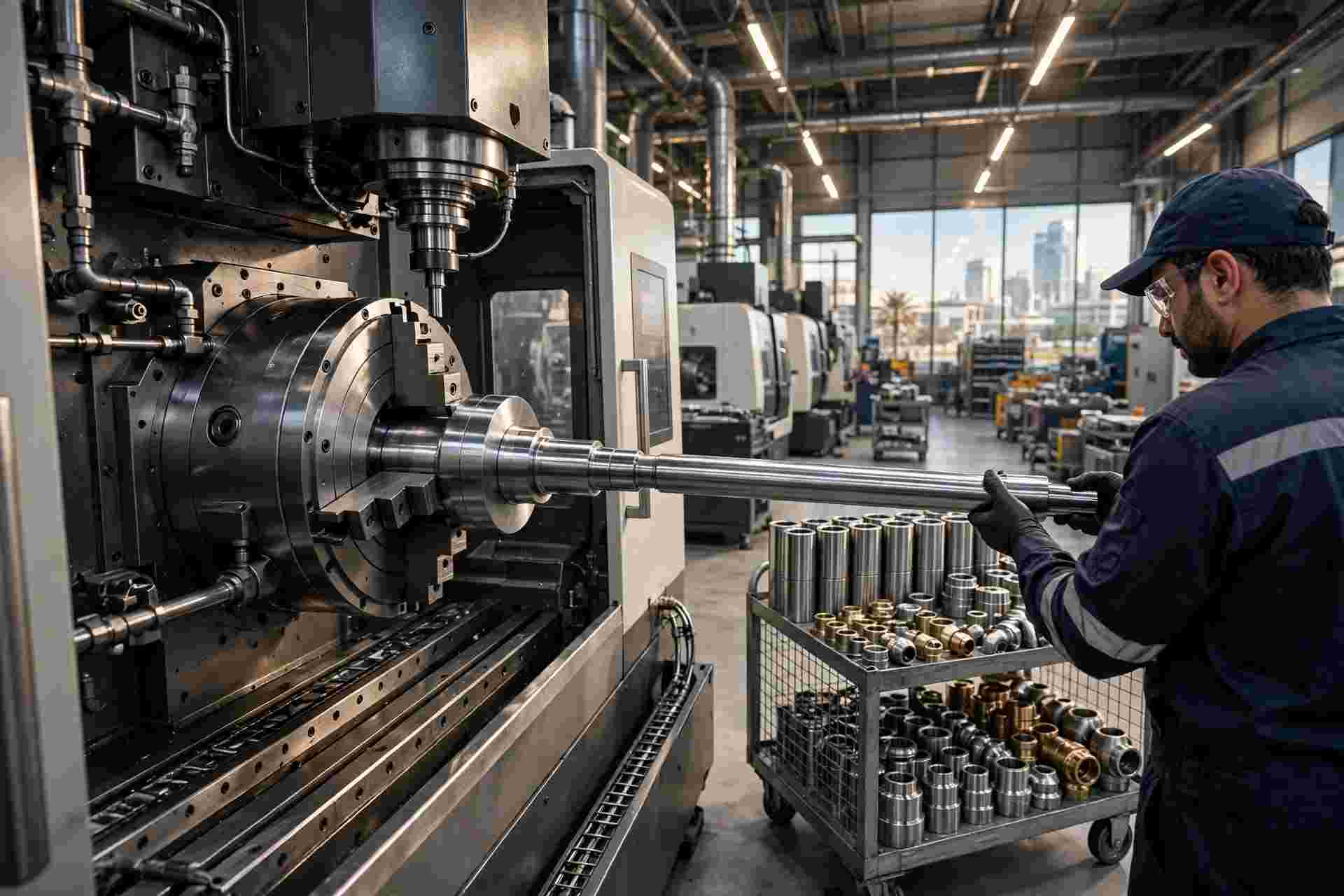
Oil and gas projects depend on the timely availability of suitable equipment, components and replacement parts. Working with oilfield equipment suppliers in uae can help project teams coordinate procurement for drilling, production and processing requirements. However, effective sourcing begins well before an order is placed. Companies need to organize technical information, identify approval responsibilities and understand how equipment requirements will be managed throughout the project.
Organize Procurement Around Project Stages
A project may require different equipment at different stages. Items needed during installation may not be the same as those required for commissioning, routine operation or later maintenance. Procurement planning should reflect these stages so that purchasing teams can prioritize requirements and coordinate orders with the project schedule.
The first task is to prepare a list of required equipment and components. Each entry should include a clear description, quantity and available technical information. Where possible, buyers should attach drawings, specifications, part numbers or manufacturer references. This information gives suppliers a better understanding of the requirement and reduces the need for repeated clarification.
Project teams should identify which items are critical to the planned work. Equipment with a long procurement process or a direct effect on installation activities may need earlier attention. This does not mean every item should be ordered immediately. It means the purchasing team should understand which requirements need early technical confirmation and which can be handled later.
It is also useful to maintain one controlled record of procurement information. When several departments work on the same project, different versions of a drawing or specification can create confusion. A shared approval process helps ensure that quotations and orders are based on the latest confirmed information.
Improve Coordination Between Purchasing and Engineering
Procurement decisions should not be made in isolation from engineering requirements. Purchasing teams understand commercial conditions and supplier communication, while engineers can clarify the technical purpose of the equipment. Their coordination helps ensure that the selected product is suitable for the intended system.
Before approving an offer, the technical team should review the proposed equipment against the specification. Any difference in dimensions, material, configuration or supporting documentation should be clarified. If an alternative is suggested, the relevant department should confirm whether it is acceptable for the application.
The same approach should be used when project requirements change. Revised drawings, updated quantities or new installation details should be communicated to the supplier and recorded internally. This reduces the possibility of receiving equipment based on outdated information.
Companies comparing oilfield equipment suppliers in uae should ask how technical questions and order changes are handled. A supplier's ability to communicate clearly can make coordination easier, especially when multiple items or departments are involved. Buyers should also confirm the documents that will accompany the order and who will review them before acceptance.
Plan for Special Components and Replacement Needs
Project procurement may include components that are not available as standard products. A design may require a particular shape, mounting arrangement or dimension. Existing facilities may also use older equipment for which original replacement parts are difficult to source.
In these situations, custom manufacturing can be considered alongside conventional procurement. Genesis-MFG offers custom manufacturing support for industrial components and replacement parts. The process can begin with a customer-provided drawing, CAD file, sketch or physical sample. An engineering review helps assess the design and identify relevant material and production requirements.
CNC machining can be suitable for components that require accurately produced surfaces, holes, slots, profiles or other defined features. The appropriate manufacturing process depends on the part's geometry and the information supplied for review. Material selection should also reflect the intended function and operating conditions.
When reviewing cnc machined parts in uae, project teams should consider more than the ability to produce a shape. They should confirm that the component can be assessed against the drawing and that any required inspection information is discussed before production. This is particularly useful when the part must fit an existing machine or assembly.
Combining equipment sourcing with manufacturing support can help project teams consider more than one route to fulfil a requirement. Standard items can be sourced, while a specially designed replacement component can be reviewed for production when appropriate.
Conclusion
Organized procurement depends on early planning, accurate technical information and communication between purchasing, engineering and suppliers. Project teams should prioritize requirements, control drawing revisions and review proposed equipment before approving orders. When a project includes specialized components, cnc machined parts in uae may provide a manufacturing option for parts that need to follow a specific design. Genesis-MFG offers equipment sourcing and custom manufacturing support from Sharjah, UAE. Sharing project specifications can help the team understand the requirement and discuss the next step.
FAQs
1. Why should procurement be planned around project stages?
Different equipment is required during installation, commissioning and maintenance, so planning helps teams coordinate purchasing priorities.
2. What is the role of engineering in equipment procurement?
Engineering teams review technical suitability, dimensions, materials and compatibility before an order is approved.
3. How can teams avoid using outdated specifications?
They can maintain controlled drawing records and make sure suppliers receive the latest approved documents.
4. When should custom manufacturing be considered?
It may be considered when a component has special dimensions, a unique design or is difficult to obtain as a standard replacement.

 English
 Arabic
 French
 Spanish
 Portuguese
 Turkish
 Dutch
 Italiano
 Russian
 Romaian
 Portuguese (Brazil)
 Greek