


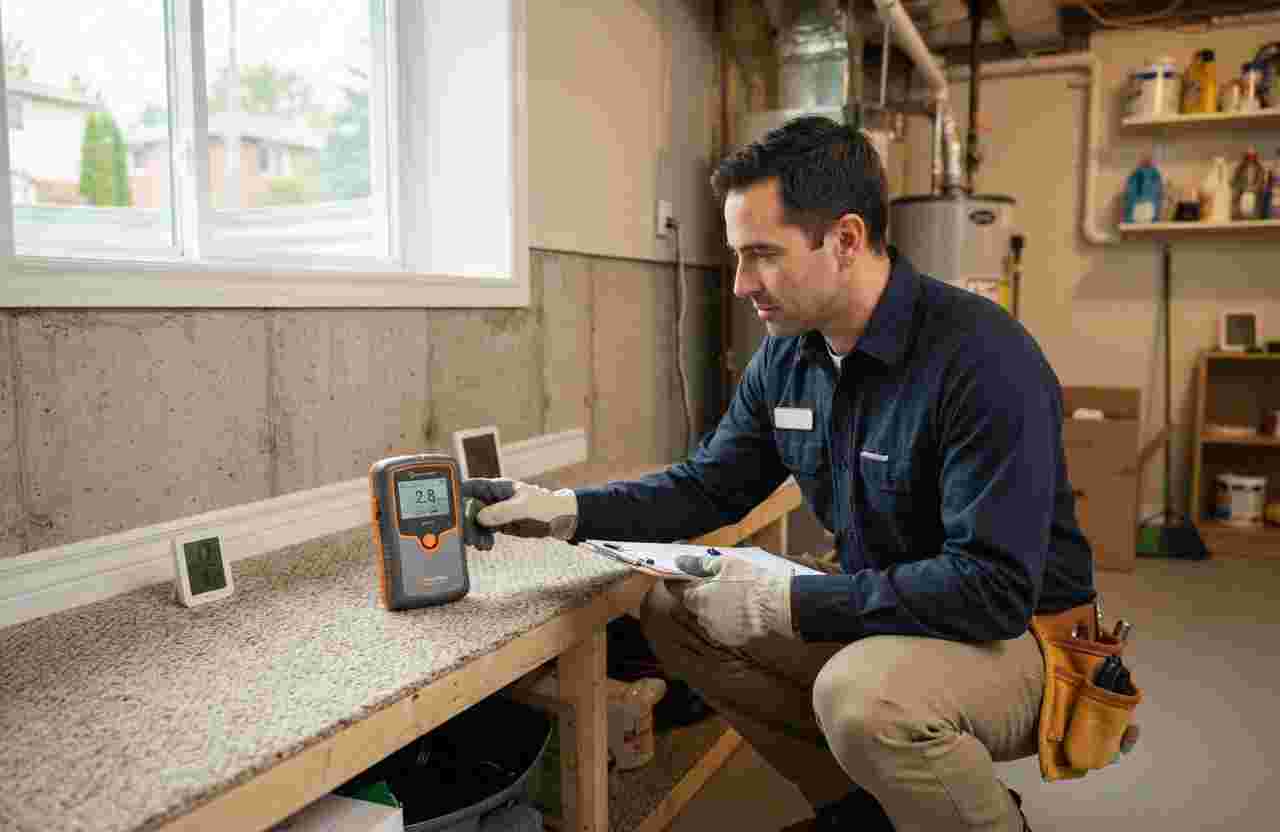
Have you ever wondered whether the air inside your home is safe to breathe? Many homeowners pay attention to visible problems such as dust, mould, and unpleasant odours, but often overlook an invisible threat that can affect indoor air quality. Radon is a naturally occurring radioactive gas that can enter homes through foundations, cracks, and other openings. Because it has no smell, colour, or taste, it cannot be detected without proper testing.
Radon testing Ottawa is an important step for homeowners who want to understand the quality of their indoor air and protect their families from potential health risks. Whether you live in a newly constructed property or an older house, testing can help identify elevated radon levels and determine whether further action is necessary.
Understanding how radon enters your property, why testing matters, and when to arrange a professional assessment can help you make informed decisions about your home's safety.
What Is Radon and Why Is It a Concern?
Radon is a radioactive gas produced naturally when uranium in soil and rock breaks down. It can move through the ground and enter buildings through small openings in concrete foundations, floor drains, sump pits, and gaps around pipes.
Although radon is present outdoors at generally low concentrations, it can accumulate inside enclosed spaces. Long-term exposure to elevated radon concentrations increases the risk of developing lung cancer. Health Canada identifies radon as the leading cause of lung cancer among non-smokers.
The biggest concern is that homeowners cannot identify radon through their senses. A property may look perfectly maintained while still having elevated radon levels. This is why testing is the only reliable way to determine whether radon is present at concerning concentrations.
Why Is Radon Testing Ottawa Important for Homeowners?
Ottawa homeowners should consider radon testing because radon concentrations can vary significantly from one property to another, even between neighbouring houses. Factors such as soil conditions, foundation design, ventilation, and seasonal changes can influence indoor radon levels.
Here are some important reasons to arrange testing.
1. Protect Your Family's Health
The primary reason for testing is to reduce the potential health risks associated with long-term radon exposure. Identifying elevated levels allows homeowners to take appropriate steps to reduce exposure.
2. Understand Your Indoor Air Quality
Indoor air quality affects everyday comfort and long-term well-being. Radon testing provides useful information about an invisible environmental concern that cannot be identified through ordinary home inspections.
3. Make Informed Property Decisions
If you are buying or selling a home, knowing the radon concentration can help you understand the property's indoor environmental conditions. A professional test can also provide useful documentation when discussing potential mitigation requirements.
4. Avoid Unnecessary Guesswork
Different properties have different radon levels. Testing provides actual measurements rather than relying on assumptions about neighbourhood conditions or the age of a building.
How Does Professional Radon Testing Work?
Professional radon testing involves measuring the concentration of radon gas inside a property over a specific period. The testing process follows established procedures to help produce reliable results.
Depending on the testing method, professionals may use specialized equipment to monitor radon concentrations continuously or collect measurements over an extended period.
A typical testing process includes the following steps:
Initial Property Assessment: The testing professional identifies suitable locations for placing radon measurement equipment, usually in the lowest regularly occupied level of the property.
Equipment Placement: Approved radon detectors or monitoring devices are positioned according to recommended testing procedures.
Measurement Period: The equipment measures radon concentrations over the required testing period. Long-term testing is particularly useful because radon levels can fluctuate.
Results and Recommendations: Once testing is complete, the results are reviewed and compared with Health Canada's recommended guideline. If elevated levels are identified, appropriate next steps can be discussed.
Professional testing helps homeowners understand their property's radon situation and determine whether additional assessment or mitigation is required.
What Is the Recommended Radon Level in Canada?
Health Canada's guideline recommends taking corrective action when the average annual radon concentration in a home exceeds 200 becquerels per cubic metre (Bq/m³).
A higher reading does not mean that immediate illness will occur. However, it indicates that reducing radon exposure should be considered.
Health Canada recommends that homeowners use long-term testing, ideally for at least three months during the heating season, to obtain a more representative measurement of average indoor radon concentrations.
If your test results exceed the recommended guideline, a qualified radon mitigation professional can assess the property and recommend suitable solutions.
When Should You Test Your Home for Radon?
Many homeowners assume radon testing is only necessary when purchasing a property. However, testing can be beneficial in several situations.
Consider arranging a test when:
-
You have recently purchased a home and do not know its radon history.
-
You are planning renovations involving your basement or foundation.
-
Your property has never been tested for radon.
-
You are concerned about indoor air quality.
-
You have completed renovations that may affect ventilation or airflow.
-
You want to confirm whether an existing radon mitigation system is working effectively.
Even if your neighbours have tested their homes and received low readings, your property should still be tested individually.
DIY Radon Testing vs Professional Radon Testing
Homeowners generally have two options when checking radon levels: do-it-yourself testing kits and professional testing services.
DIY Radon Testing
DIY testing kits are available online and from home improvement stores. They can be a practical option for homeowners who want to measure radon levels themselves. However, it is important to follow the manufacturer's instructions carefully and use an approved testing device.
Professional Radon Testing
Professional testing is a suitable choice for homeowners who prefer expert assistance. A qualified professional can help with detector placement, testing procedures, and understanding the results.
When choosing a testing provider, consider professionals certified through the Canadian National Radon Proficiency Program (C-NRPP). Their qualifications and experience can help ensure that testing follows recognized procedures.
Both approaches can provide useful information when conducted correctly. The most important factor is obtaining a reliable long-term measurement.
How Can You Reduce High Radon Levels?
If your home has elevated radon concentrations, there are effective ways to reduce exposure. The appropriate solution depends on your property's construction, foundation, and radon entry points.
Common approaches include:
-
Sub-slab depressurization: A system uses a pipe and fan to draw radon from beneath the foundation and release it safely outside.
-
Sealing foundation openings: Sealing cracks and gaps can help reduce radon entry, although sealing alone is generally not sufficient.
-
Improving ventilation: Appropriate ventilation improvements may support better indoor air quality, depending on the property's design.
-
Post-mitigation testing: Testing after installing a radon reduction system helps determine whether the system is working effectively.
It is important to work with a qualified radon mitigation professional to identify the most appropriate solution. Regular monitoring and follow-up testing can also help ensure that radon levels remain controlled.
Why Choose a Professional Radon Testing Company in Ottawa?
Choosing the right testing provider is an important part of protecting your property. Not every testing service offers the same level of experience, equipment, or customer support.
Before selecting a company, consider the following factors:
-
Professional Certification: Check whether the testing professional holds relevant C-NRPP certification.
-
Testing Equipment: Ask whether the company uses recognized and properly maintained measurement devices.
-
Clear Reporting: Choose a provider that explains the results in straightforward language.
-
Customer Support: A reliable company should be willing to answer questions about testing procedures and possible next steps.
-
Practical Recommendations: If elevated radon levels are identified, you should receive clear information about appropriate follow-up actions.
Taking time to select a qualified provider can make the testing process more straightforward and help you make confident decisions about your home's indoor air quality.
Why Choose Ottawa Radon Pro?
Ottawa Radon Pro is a brand focused on helping property owners understand and address radon concerns. Through its online presence at ottawaradon.pro, the company provides a dedicated resource for people interested in radon testing and protecting their indoor environments. Homeowners looking for information about radon in Ottawa can explore the brand's website to learn more about its services and available solutions. Choosing a knowledgeable radon service provider can help property owners take informed steps toward assessing indoor radon levels and addressing potential concerns.
Conclusion
Radon is an invisible indoor air concern that should not be ignored. Since every property can have different radon concentrations, testing is the only reliable way to determine whether your home has elevated levels.
Professional radon testing Ottawa services can help homeowners understand their indoor air conditions, identify potential concerns, and decide whether further action is needed. Whether you are purchasing a new property, renovating your basement, or simply checking your home's air quality, arranging a long-term radon test is a worthwhile step.
Do not wait until you have a reason to worry. Make radon testing part of your home maintenance routine and take a proactive approach to creating a healthier indoor environment for your family.

 English
 French
 Spanish
 Portuguese
 Deutsch
 Turkish
 Dutch
 Italiano
 Russian
 Romaian
 Portuguese (Brazil)
 Greek