


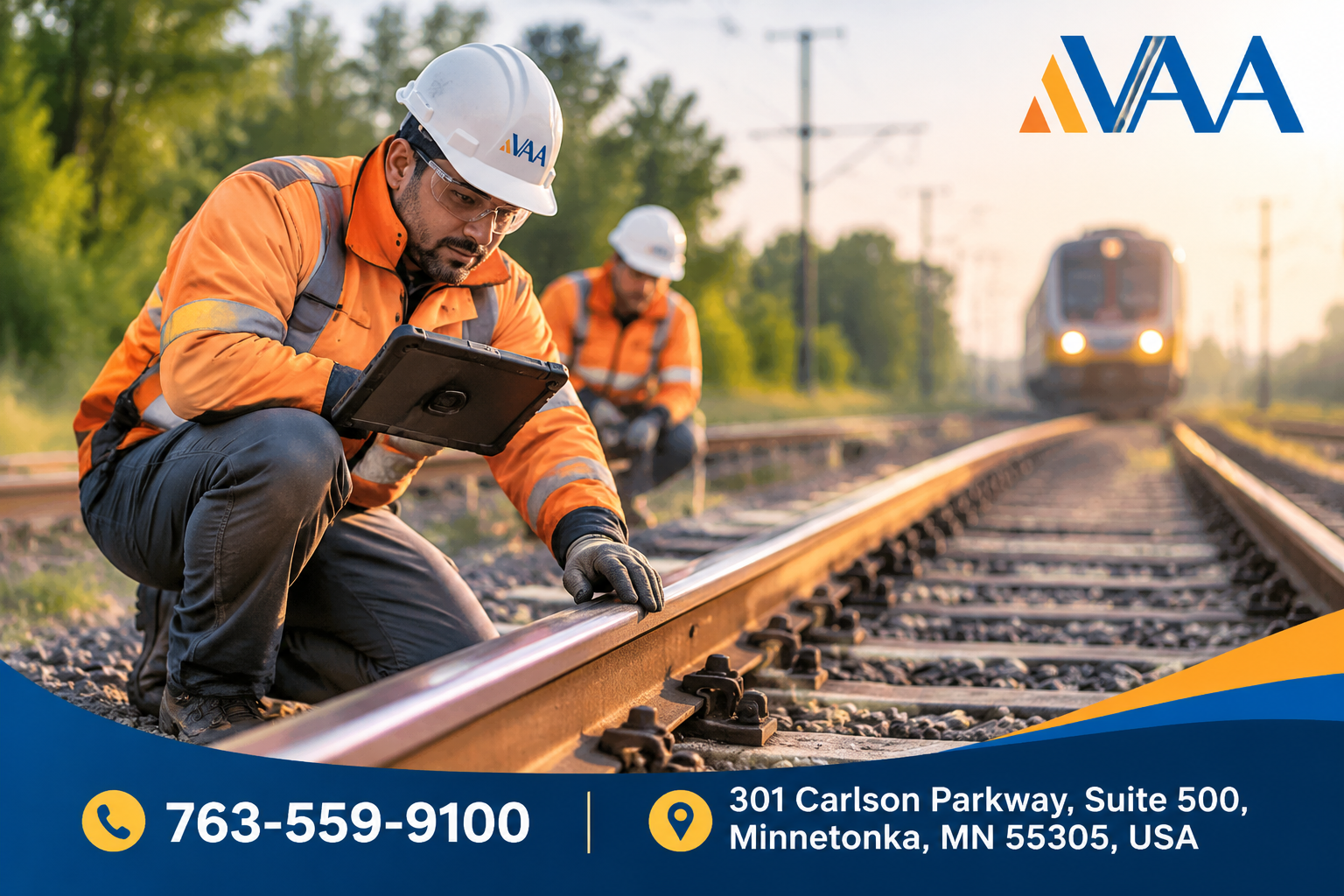
Railway systems play an important role in industrial transportation, manufacturing, agriculture, and bulk material handling. Many facilities depend on rail networks to transport raw materials, finished products, and heavy equipment efficiently. However, maintaining railway tracks requires regular attention because even minor defects can create serious operational challenges. This is where professional rail inspection and preventive maintenance become essential.
Why Is Regular Rail Inspection Important?
Industrial rail tracks experience continuous stress from moving railcars, heavy loads, changing weather conditions, and frequent operations. Over time, these factors can affect track alignment, rail connections, supporting ties, and other important components.
Without proper monitoring, small maintenance concerns may develop into expensive repairs or unexpected operational interruptions. Regular inspections help facility owners understand existing track conditions and identify potential problems before they become more serious.
A well-planned inspection program also supports workplace safety by helping employees recognize track-related hazards and follow appropriate maintenance procedures.
What Does Rail Inspection Observation Involve?
A comprehensive inspection involves examining different parts of a railway system to evaluate their condition and identify areas requiring attention. Experienced professionals assess track components and provide practical recommendations based on their observations.
Important inspection areas include:
-
Rail Conditions: Checking rails for visible damage, excessive wear, cracks, and other signs of deterioration.
-
Track Gauge and Alignment: Evaluating track spacing, elevation, and alignment to identify inconsistencies.
-
Railroad Ties: Examining ties for deterioration, damage, and inadequate support.
-
Joints and Connections: Reviewing rail joints and connections to identify potential maintenance concerns.
-
Turnouts and Switches: Inspecting switch operation, slide plates, frog connections, timber conditions, and elevation consistency.
-
Track Level: Checking whether the track maintains appropriate levels and alignment throughout the inspected sections.
These observations help facility operators understand where maintenance attention is needed and which concerns should receive priority.
How Can Preventive Maintenance Reduce Operational Downtime?
Unexpected railway problems can interrupt material transportation and affect the productivity of an entire facility. When railcars cannot move safely or efficiently, businesses may experience delays, additional maintenance expenses, and scheduling difficulties.
Preventive maintenance helps reduce these risks by identifying developing concerns before they lead to major disruptions.
Inspection findings can help maintenance teams organize repair activities, schedule necessary improvements, and monitor conditions that do not require immediate correction. This approach makes maintenance planning more organized and helps businesses use their resources effectively.
Rather than waiting for a visible failure, facility owners can take a proactive approach to maintaining their railway infrastructure.
Why Should Industrial Facilities Work With Experienced Rail Professionals?
Industrial railway systems are often connected to larger facility operations. Their performance depends on track conditions, material-handling requirements, railcar movements, and coordination with other transportation systems.
Experienced rail professionals understand how these factors influence railway performance. They can evaluate existing infrastructure, identify potential maintenance issues, and recommend practical improvements.
Professional guidance can also help facility teams understand how to incorporate inspections into their existing maintenance programs. Employee education is another important consideration because workers who regularly operate around tracks should understand which conditions require attention and reporting.
Combining technical inspections with employee awareness creates a more effective approach to railway safety and maintenance.
How Do Inspection Reports Help Prioritize Repairs?
Finding a problem is only one part of an effective inspection program. Businesses also need to understand what should happen next.
Clear inspection findings help facility managers distinguish between immediate repair requirements and conditions that can be monitored over time. This makes it easier to allocate maintenance budgets, coordinate contractors, and plan work around daily operations.
For example, a damaged track component that presents an immediate safety concern may require prompt attention. Other observations may be suitable for scheduled maintenance, provided they are monitored appropriately.
Documented recommendations create a useful reference for future inspections and help teams track the condition of their railway infrastructure over time.
Building a Reliable Rail Maintenance Strategy
An effective railway maintenance strategy should consider the facility's operational requirements, track usage, inspection findings, and long-term infrastructure goals. A consistent inspection schedule allows businesses to monitor changing conditions and respond to maintenance needs more effectively.
Facility owners should also review existing maintenance procedures to determine whether railway inspections are properly included. Training employees to recognize visible track concerns and report them promptly can further strengthen preventive maintenance efforts.
For industrial facilities that depend on rail transportation, taking action before problems escalate can make a meaningful difference in safety, productivity, and maintenance costs.
Conclusion
Railway infrastructure deserves the same level of maintenance attention as other essential industrial systems. Regular inspections, informed repair priorities, and preventive planning help businesses maintain dependable track conditions while reducing the risk of unexpected interruptions. With specialized engineering knowledge and practical recommendations, Vaaeng helps industrial facility owners approach railway maintenance more proactively. Through its rail inspection and observation services, Vaaeng supports businesses in understanding track conditions, identifying maintenance priorities, and developing safer, more reliable rail operations.

 English
 Arabic
 French
 Spanish
 Portuguese
 Deutsch
 Turkish
 Dutch
 Italiano
 Russian
 Romaian
 Portuguese (Brazil)