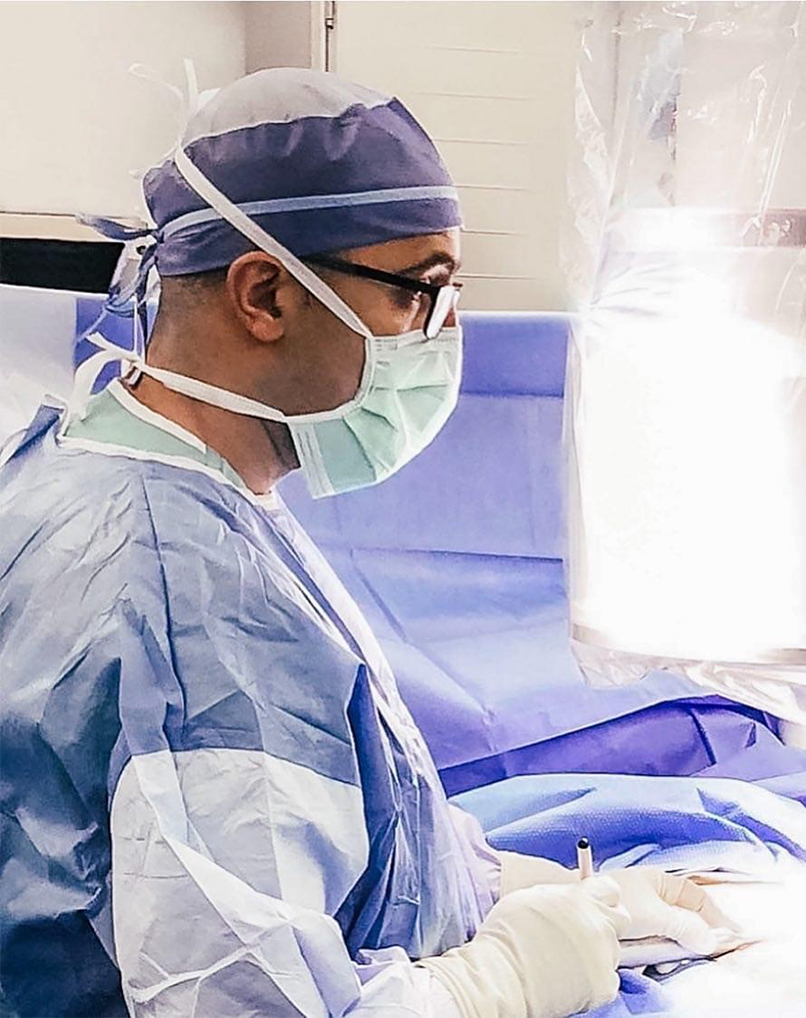
In the past decade, spine surgery has undergone a transformative shift driven by advances in imaging, instrumentation, and minimally invasive approaches. Today, most spine surgeons operate in an environment where high‑resolution MRI and CT scans are fused with computer‑assisted navigation, allowing procedures to be planned and executed with millimetric precision. Techniques such as percutaneous pedicle‑screw fixation, endoscopic discectomy, and robot‑assisted deformity correction have dramatically reduced the size of incisions, blood loss, and postoperative pain compared with traditional open surgery. For patients, this means shorter hospital stays—often a single night or even same‑day discharge—faster return to daily activities, and a lower risk of complications such as infection or muscle denervation.
Nevertheless, modern technology does not replace the fundamental principles of good surgical care. A thorough pre‑operative assessment remains essential. Patients should expect a detailed discussion of their diagnosis, the specific goals of surgery (e.g., pain relief, spinal stability, neurologic preservation), and realistic expectations for recovery. Surgeons will explain why a particular technique—whether an endoscopic microdiscectomy for a herniated disc or a minimally invasive lumbar interbody fusion for degenerative spondylolisthesis—is most appropriate for the individual anatomy and pathology. Importantly, patients should inquire about the surgeon’s experience with the chosen technology; proficiency curves exist for endoscopic and robotic platforms, and outcomes improve markedly after a surgeon has completed a substantial number of cases.
Post‑operative care has also evolved. Enhanced recovery after surgery (ERAS) protocols incorporate multimodal pain management, early mobilization, and targeted physical therapy, all of which support the benefits of minimally invasive methods. Patients are encouraged to engage in pre‑habilitation—strengthening core muscles and optimizing nutrition—because a robust baseline can shorten rehabilitation time and reduce the likelihood of repeat procedures.
Finally, while modern Spine Surgery Fort Lauderdale offers compelling advantages, it is not without limitations. Certain complex deformities, extensive tumor resections, or severe instability may still require open approaches. Patients should understand the potential need for hardware removal, the possibility of adjacent‑segment disease over time, and the importance of adhering to follow‑up imaging schedules.
In summary, the contemporary spine surgeon leverages sophisticated imaging, navigation, and minimally invasive tools to deliver safer, quicker, and more precise interventions. By asking the right questions, understanding the rationale behind each technique, and committing to a structured recovery plan, patients can make informed decisions and maximize the long‑term benefits of their spinal care.

 Arabic
 French
 Spanish
 Portuguese
 Deutsch
 Turkish
 Dutch
Dutch
 Italiano
 Russian
 Romaian
 Portuguese (Brazil)
 Greek
Greek