


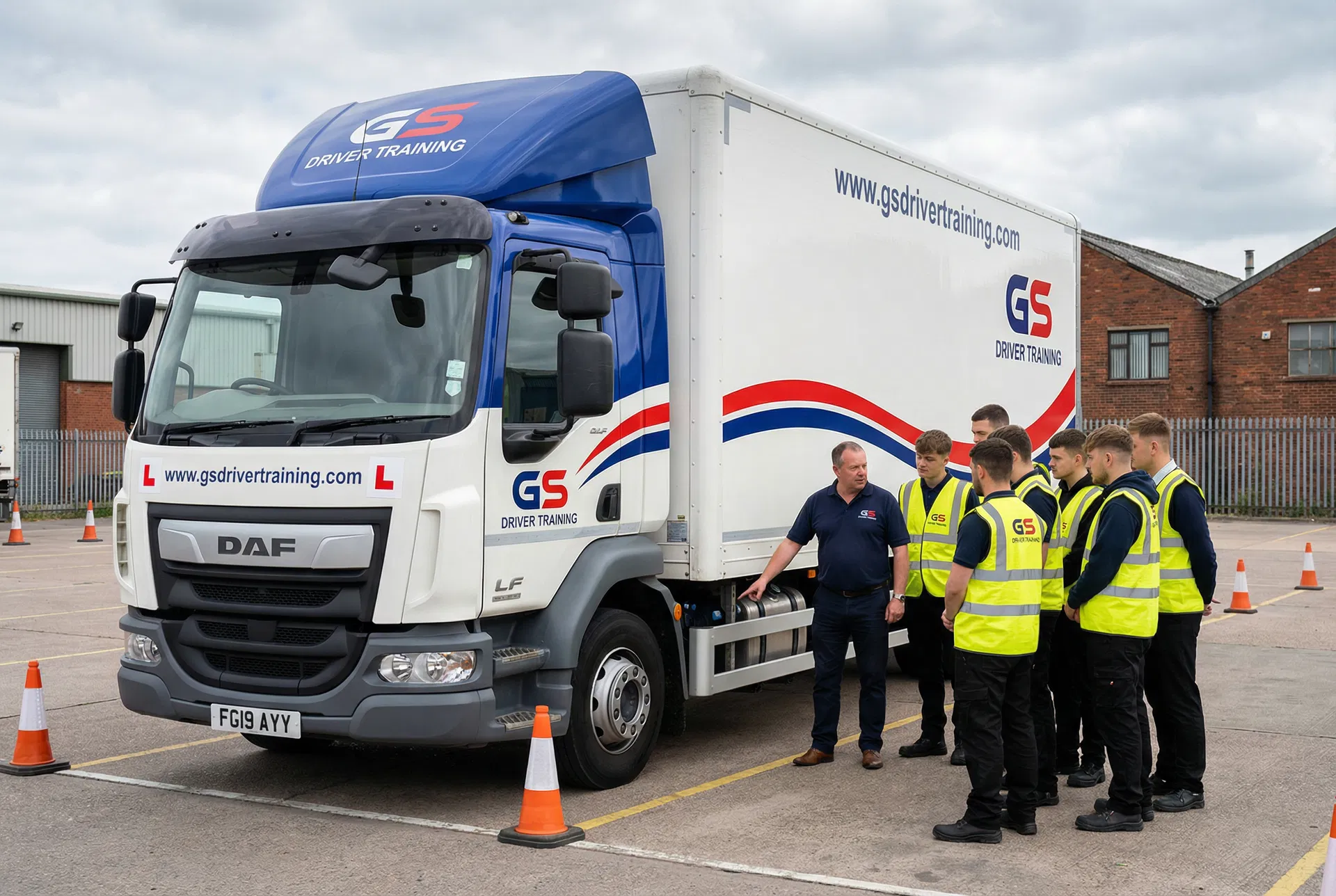
If you want to work as a professional bus, coach, or lorry driver in the UK, Driver CPC Training is an important part of your career. It ensures that professional drivers have the knowledge and skills needed to drive safely, follow legal regulations, and provide a high standard of service.
Whether you're starting your career or need to renew your qualification, understanding Driver CPC can help you stay compliant and continue driving professionally. In this guide, we'll explain what Driver CPC training is, who needs it, how it works, and why it's so important.
What Is Driver CPC Training?
Driver CPC (Certificate of Professional Competence) is a qualification required for most professional drivers who drive large goods vehicles (HGVs), lorries, buses, and coaches for work.
The purpose of Driver CPC training is to:
-
Improve road safety
-
Keep drivers up to date with current laws
-
Develop safe driving techniques
-
Promote fuel-efficient driving
-
Enhance customer service skills
-
Reduce accidents and operating costs
Unlike a standard driving licence, Driver CPC focuses on maintaining professional driving standards throughout your career.
What Does Driver CPC Stand For?
Driver CPC stands for Driver Certificate of Professional Competence.
It is a legal requirement introduced across the UK and many European countries to ensure professional drivers continue improving their skills through regular training.
Who Needs Driver CPC Training?
Driver CPC is generally required if you drive professionally using:
-
HGVs (Heavy Goods Vehicles)
-
LGVs (Large Goods Vehicles)
-
Lorries
-
Buses
-
Coaches
-
Large commercial vehicles
You will usually need Driver CPC if driving is part of your job and you receive payment for it.
Common professions include:
-
HGV drivers
-
Delivery drivers
-
Logistics drivers
-
Bus drivers
-
Coach drivers
-
Freight transport drivers
-
Distribution drivers
-
Construction vehicle drivers
-
Waste collection vehicle drivers
Who May Be Exempt from Driver CPC?
Some drivers may not need Driver CPC depending on how the vehicle is used.
Possible exemptions include:
-
Driving for personal, non-commercial use
-
Emergency service vehicles
-
Military vehicles
-
Vehicles undergoing road testing or repair
-
Vehicles with a maximum speed below legal limits
-
Certain agricultural vehicles
Because exemptions can vary, it's always best to check the latest DVSA guidance before assuming Driver CPC is not required.
Types of Driver CPC Training
There are two main types of Driver CPC qualification.
1. Initial Driver CPC
This is for new professional drivers entering the industry.
It usually includes:
-
Theory tests
-
Case study test
-
Practical driving test
-
Practical demonstration test
Once completed, you'll receive your Driver Qualification Card (DQC).
2. Periodic Driver CPC Training
Professional drivers must complete 35 hours of periodic training every five years to maintain their qualification.
The training keeps drivers updated on:
-
New road laws
-
Vehicle safety
-
Driver responsibilities
-
Health and wellbeing
-
Safe loading
-
Fuel-efficient driving
-
Risk awareness
After completing the required hours, your Driver Qualification Card is renewed.
What Topics Are Covered During Driver CPC Training?
Training providers may offer different modules, but common topics include:
Road Safety
Drivers learn how to reduce risks and improve safety for everyone using the road.
Topics include:
-
Defensive driving
-
Hazard awareness
-
Speed management
-
Safe following distances
Vehicle Safety Checks
Drivers are taught how to carry out daily inspections, including:
-
Tyres
-
Brakes
-
Lights
-
Mirrors
-
Fluids
-
Warning systems
Regular checks help prevent breakdowns and improve road safety.
Driver Hours and Tachograph Rules
Understanding legal driving hours is essential.
Training covers:
-
Drivers' hours regulations
-
Break requirements
-
Rest periods
-
Tachograph operation
-
Working Time Directive
Following these rules helps reduce driver fatigue and ensures legal compliance.
Fuel-Efficient Driving
Efficient driving can significantly reduce fuel costs.
Drivers learn:
-
Smooth acceleration
-
Correct gear changes
-
Anticipating traffic flow
-
Reducing unnecessary braking
-
Minimising engine idling
Load Security
Improperly secured loads can be dangerous.
Training explains:
-
Weight distribution
-
Securing cargo
-
Vehicle stability
-
Legal responsibilities
Customer Service
Professional drivers often represent their employer.
Training may include:
-
Communication skills
-
Professional behaviour
-
Handling customer enquiries
-
Managing difficult situations
Health and Wellbeing
Driving long hours can affect physical and mental health.
Courses often discuss:
-
Fatigue management
-
Healthy eating
-
Stress management
-
Exercise
-
Sleep routines
Healthy drivers are generally safer drivers.
How Long Does Driver CPC Training Take?
For periodic Driver CPC, drivers must complete:
-
35 hours of approved training
-
Completed within every five-year period
The training is often delivered as:
-
Five separate 7-hour courses
-
Multiple shorter sessions (where approved)
-
Classroom learning
-
Practical workshops
-
Online approved courses (where available)
Many drivers spread the training over several years rather than leaving it until the last minute.
What Is a Driver Qualification Card (DQC)?
After completing your Driver CPC requirements, you'll receive a Driver Qualification Card (DQC).
This card proves that you're legally qualified to drive professionally.
You should carry it whenever you're driving professionally, as enforcement officers may ask to see it during roadside inspections.
Benefits of Driver CPC Training
Driver CPC offers more than just legal compliance.
Some of the key benefits include:
Improved Road Safety
Regular training helps drivers develop safer driving habits, reducing the risk of accidents.
Better Career Opportunities
Many employers require a valid Driver CPC before hiring professional drivers.
Increased Confidence
Training keeps drivers up to date with industry best practices, helping them feel more confident behind the wheel.
Lower Operating Costs
Fuel-efficient driving and proper vehicle care can reduce fuel use, maintenance costs, and downtime.
Legal Compliance
Completing Driver CPC ensures you meet UK legal requirements for professional driving.
Tips for Completing Driver CPC Successfully
To get the most from your training:
-
Book courses well before your qualification expires.
-
Choose an approved training provider.
-
Participate actively during sessions.
-
Keep records of completed training.
-
Stay informed about changes to driving regulations.
-
Apply what you learn during everyday driving.
Regular training makes it easier to stay compliant and continue improving your professional skills.
Why Choose GS Driver Training for Driver CPC Training?
At GS Driver Training, we provide professional Driver CPC training designed to help drivers stay compliant with UK regulations while improving their knowledge and confidence on the road. Our experienced instructors deliver engaging, practical courses that cover the latest industry standards and legal requirements.
Whether you need to complete your 35 hours of periodic CPC training or are looking for guidance as a professional driver, we offer flexible training options to suit your schedule.
With GS Driver Training, you can expect:
-
Experienced and qualified instructors
-
DVSA-compliant Driver CPC courses
-
Flexible course dates
-
Friendly and supportive learning environment
-
Practical, up-to-date training
-
Competitive course fees
Our goal is to make your Driver CPC training straightforward, informative, and beneficial for your long-term driving career.
Conclusion
Driver CPC Training is an essential qualification for professional drivers in the UK. It helps ensure drivers stay up to date with road safety, legal responsibilities, vehicle operation, and industry best practices.
Whether you're beginning a career in transport or renewing your qualification, completing Driver CPC training keeps you compliant with regulations while improving your knowledge, confidence, and professional driving skills. By staying current with your training every five years, you'll be better prepared for the challenges of modern commercial driving and continue building a successful career in the transport industry.

 English
 French
 Spanish
 Portuguese
 Deutsch
 Turkish
 Dutch
Dutch
 Italiano
 Russian
 Romaian
 Portuguese (Brazil)
 Greek
Greek