


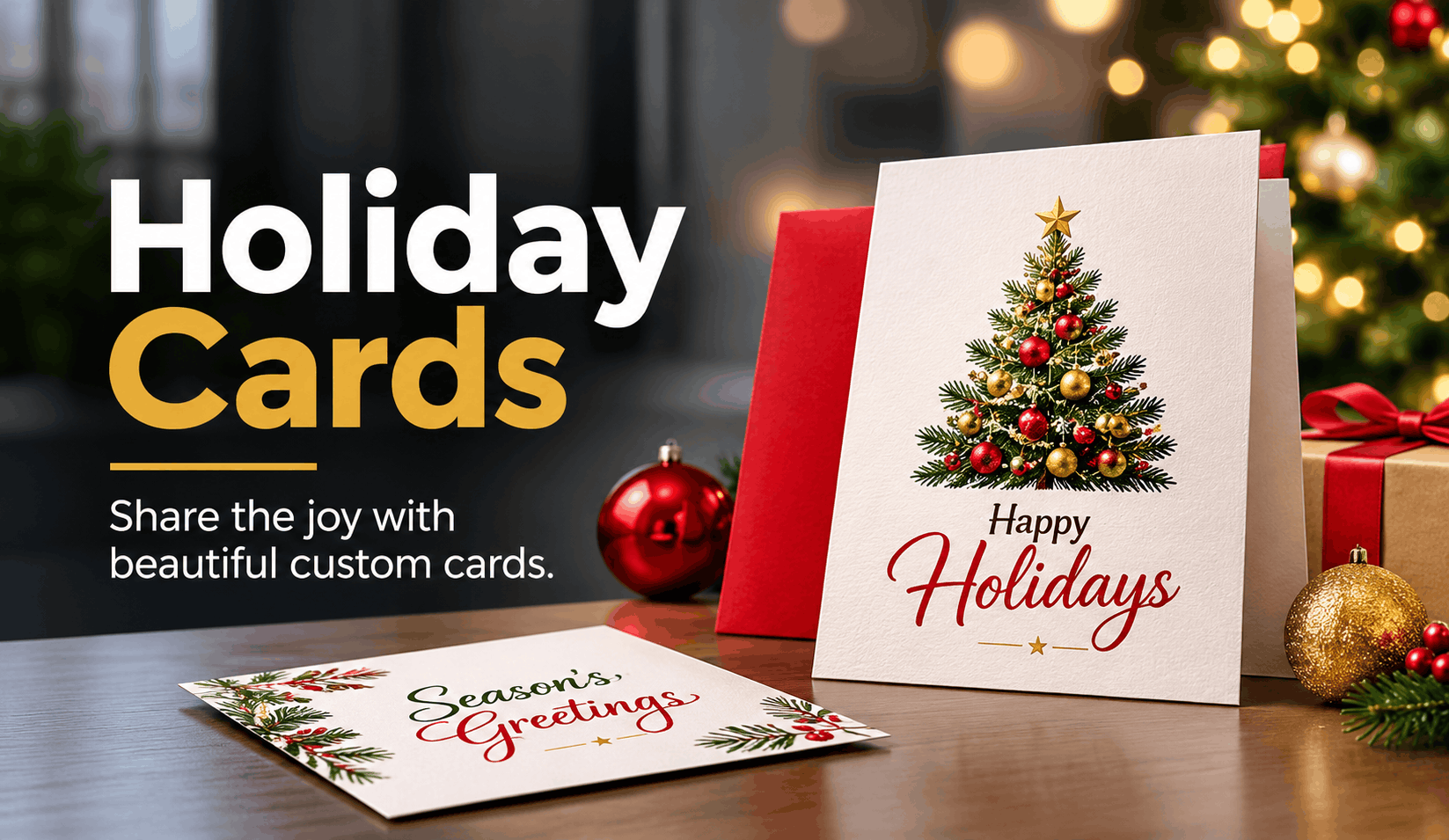
Holiday cards offer a meaningful way to share appreciation, celebrate special occasions, and maintain personal connections. Whether businesses send seasonal greetings to customers or families exchange warm wishes with loved ones, a thoughtfully designed card can communicate feelings that a digital message often cannot. The right combination of colors, typography, imagery, paper quality, and personalized messaging makes a holiday card memorable.
At Laguna Digital, we understand how thoughtful design and professional printing contribute to the overall presentation of printed materials. When businesses plan their seasonal communication, they often focus on the message but overlook important details such as card layout, paper selection, and finishing. These elements work together to create a polished result. Exploring professionally designed Holiday Cards can also provide inspiration for creating attractive printed pieces that reflect the purpose of a seasonal greeting.
1. Start With a Clear Holiday Card Design Concept
Every successful holiday card begins with a clear design direction. Before selecting colors or adding decorative elements, consider the occasion, intended audience, and message you want to communicate.
For example, a Christmas card may feature traditional seasonal elements such as evergreen branches, ornaments, snowflakes, and warm lighting. A New Year greeting might use elegant typography, subtle metallic accents, and a clean layout. Other seasonal celebrations may require completely different visual themes.
At Laguna Digital, we recommend choosing a concept that connects naturally with the occasion instead of combining too many unrelated decorative elements. A focused design gives the greeting more impact and helps recipients understand its purpose immediately.
2. Choose Colors That Match the Holiday Occasion
Color plays an important role in how people experience a holiday card. Different combinations create different moods, making color selection one of the most important parts of the design process.
Traditional holiday palettes remain popular because they communicate familiar seasonal themes. However, designers can also introduce modern combinations to create a distinctive appearance.
Consider these popular color combinations:
-
Christmas: Deep red, forest green, white, and gold.
-
New Year: Black, silver, champagne, and metallic gold.
-
Winter Holidays: Ice blue, white, silver, and soft gray.
-
Thanksgiving: Burnt orange, brown, cream, and warm gold.
-
Spring Celebrations: Pastel pink, soft green, lavender, and yellow.
Businesses should also consider their existing brand identity when selecting colors. They can incorporate subtle brand accents without allowing corporate colors to overpower the holiday theme.
When designing custom Holiday Cards, maintaining a balanced color palette helps create a professional appearance while keeping the seasonal message at the center of attention.
3. Use Typography That Makes the Greeting Easy to Read
Typography influences both the appearance and readability of a printed card. Even a beautiful design can lose its impact when the text looks crowded, difficult to read, or inconsistent.
Choose fonts according to the style and personality of the occasion. Elegant serif fonts work well for traditional greetings, while modern sans-serif fonts create a clean and contemporary appearance. Script fonts can introduce a personal touch, especially when designers use them for short greetings or selected words.
Follow these practical typography guidelines:
-
Use one primary font for the main greeting.
-
Select a complementary font for supporting text.
-
Keep the headline larger than the remaining content.
-
Maintain enough spacing between text elements.
-
Choose text colors that contrast with the background.
-
Avoid decorative fonts for long messages.
For business holiday greetings, readability should always come before decoration. A simple message with well-balanced typography often creates a stronger impression than a complicated layout.
4. Add Meaningful Images and Seasonal Illustrations
Visual elements help communicate the theme of a holiday card before recipients read the message. Photographs, illustrations, patterns, and decorative graphics can make a design more personal and visually engaging.
The best visual approach depends on the audience and purpose of the card.
Families may prefer personal photographs, memorable moments, or creative illustrations. Businesses can use seasonal artwork, professional team photographs, subtle brand elements, or elegant holiday patterns.
Image quality also matters. Low-resolution photographs can appear blurry or pixelated when printed, especially when designers enlarge them. Always select high-resolution images that maintain their clarity at the final print dimensions.
At Laguna Digital, we recognize the importance of balancing visual appeal with practical printing requirements. A carefully selected image should complement the greeting rather than compete with the message.
For additional design inspiration, explore different Holiday Cards styles and consider how seasonal imagery, layout, and printed presentation work together.
5. Write a Personal and Memorable Holiday Message
The message gives a holiday card its emotional value. While attractive graphics create the first impression, thoughtful wording makes the greeting meaningful to the recipient.
Avoid using lengthy paragraphs or generic messages that do not connect with the audience. Instead, write something relevant, sincere, and appropriate for the occasion.
Here are a few examples:
For Business Customers:
"Wishing you a joyful holiday season and a wonderful New Year. We sincerely appreciate your continued trust and support throughout the year."
For Employees:
"Thank you for your dedication, hard work, and commitment. May your holiday season bring happiness, relaxation, and memorable moments with your loved ones."
For Friends and Family:
"May your holidays be filled with laughter, warmth, and beautiful memories. Sending you our best wishes for the coming year."
Personalization can make these messages even more meaningful. Adding the recipient's name, a handwritten note, or a genuine expression of appreciation creates a stronger connection.
6. Select the Right Paper Quality and Texture
Paper selection affects how a holiday card looks and feels. Recipients notice the physical quality when they hold the card, open it, and read its message.
Lightweight paper may work for simple inserts, but thicker cardstock generally provides better structure for greeting cards. The right paper should support the design, maintain its shape, and create a suitable printing surface.
Common paper options include:
Matte Cardstock: Matte paper provides a smooth, non-reflective surface. It works particularly well with minimalist layouts, elegant typography, and subtle colors.
Glossy Cardstock: Glossy finishes create a reflective surface that enhances colorful graphics and photographic designs.
Textured Paper: Linen and other textured stocks introduce a distinctive tactile quality. They suit traditional, artistic, and premium-looking holiday designs.
Recycled Paper: Recycled stocks offer an alternative for businesses and individuals who prefer environmentally conscious printed materials.
The choice should depend on the artwork, intended use, and overall presentation. For example, a photograph-based design may benefit from a smooth coated surface, while a typography-focused card may look more refined on matte stock.
When planning professional Holiday Cards, consider the relationship between paper weight, surface finish, and the final design before selecting a printing option.
7. Consider Special Printing Finishes
Printing finishes can introduce additional texture, contrast, and visual interest. Designers do not need to use multiple finishing techniques to create an attractive card. One carefully selected detail can make the design feel more refined.
Some popular finishing options include:
-
Foil Stamping: Adds metallic details in gold, silver, or other available shades.
-
Embossing: Creates raised design elements that recipients can feel.
-
Debossing: Produces recessed details within the paper surface.
-
Spot UV: Adds selective glossy areas to contrast with a matte background.
-
Soft-Touch Lamination: Creates a smooth, soft-feeling surface.
These techniques work especially well for premium business greetings, formal seasonal messages, and designs that use minimal decoration.
However, finishing choices should complement the artwork. Applying too many effects can make a simple card look crowded. Select finishes that support the main design rather than distract from it.
8. Pay Attention to Card Size and Layout
The card's dimensions determine how much space designers have for images, text, and decorative elements. A well-planned layout keeps these components organized and makes the final design comfortable to read.
Popular formats include:
Folded Cards: These provide a front cover, inside panels, and a back panel. They offer enough room for a greeting, a personal message, and additional design elements.
Flat Cards: Flat formats work well for short seasonal messages, photographs, and simple graphic designs.
Postcard-Style Cards: These provide a practical option for brief greetings and direct-mail communication.
A 5 × 7-inch format is a common choice for greeting cards, although other sizes may suit different projects.
Before finalizing the design, consider the envelope dimensions and printing requirements. Allow sufficient margins around important text and images, and include bleed when artwork extends to the edges of the finished card.
A balanced layout should provide enough empty space around the main greeting. This helps the design feel organized instead of overcrowded.
9. Personalize Holiday Cards for Business Relationships
Businesses can use holiday cards to express appreciation and maintain relationships with customers, employees, suppliers, and business partners.
However, corporate holiday greetings should feel personal rather than overly promotional. The primary purpose should remain appreciation and seasonal communication.
Here are several ways businesses can personalize their cards:
-
Include the recipient's name where practical.
-
Add a genuine thank-you message.
-
Use a relevant team or company photograph.
-
Include a handwritten signature from the sender.
-
Incorporate subtle brand colors or visual details.
-
Select artwork that reflects the company's personality.
A thoughtful business greeting can help recipients feel recognized and appreciated. It also provides an opportunity to maintain communication without turning every customer interaction into a sales message.
At Laguna Digital, we understand that printed communication requires attention to both presentation and purpose. Businesses exploring Holiday Cards can consider different design approaches to create greetings that suit their customer relationships and seasonal communication goals.
10. Review the Design Before Professional Printing
A final design review helps prevent avoidable printing problems. Even small mistakes in spelling, image resolution, color selection, or document setup can affect the finished card.
Before sending artwork for printing, review the following details:
Spelling and Grammar: Check every greeting, name, date, and message carefully.
Image Resolution: Confirm that photographs and graphics maintain sufficient quality at the final print size.
Color Accuracy: Review the color settings and consider how the selected paper may influence the printed appearance.
Margins and Bleed: Keep important content within the safe area and extend edge-to-edge artwork beyond the trim line.
Fold Alignment: Check that the front cover, inside message, and back panel align correctly.
Envelope Compatibility: Confirm that the finished card fits the selected envelope.
Printed Proof: Review a physical proof when possible, particularly when the project includes specific colors, photographs, or specialty finishes.
Taking time to review these details helps businesses avoid unnecessary corrections and maintain consistency across larger printing orders.
Common Mistakes to Avoid When Designing Holiday Cards
Even experienced designers can overlook details that affect the final presentation. Understanding common mistakes helps create more effective holiday card designs.
1. Using Too Many Colors
Combining too many unrelated colors can make the design look confusing. Choose a focused palette that matches the occasion.
2. Adding Too Much Text
Long messages reduce available design space and make cards harder to read. Keep the greeting clear and meaningful.
3. Choosing Low-Quality Images
Blurry photographs and pixelated graphics reduce the professional appearance of printed cards. Always check image quality before printing.
4. Ignoring Paper Selection
The wrong paper can affect color appearance, durability, and the overall feel of the card. Match the paper to the intended design.
5. Overusing Decorative Elements
Too many ornaments, patterns, illustrations, and finishing effects can distract from the main greeting. Maintain a clear visual hierarchy.
6. Forgetting the Envelope
The envelope contributes to the recipient's first impression. Choose a suitable size, color, and style that complements the card.
Avoiding these mistakes helps create holiday cards that look polished, communicate clearly, and provide a pleasant experience for recipients.
Conclusion: Create Holiday Cards That People Remember
Designing memorable holiday cards requires more than choosing festive colors and adding seasonal graphics. Every detail contributes to the finished result, from the first design concept and written message to paper selection, typography, image quality, and printing finishes.
Businesses and individuals should focus on creating cards that reflect the occasion and communicate genuine appreciation. A balanced layout, readable greeting, suitable paper, and meaningful personalization can turn a simple printed card into a lasting reminder of a relationship.
At Laguna Digital, we understand the importance of thoughtful design and professional printing in creating meaningful printed materials. Whether you are preparing seasonal greetings for customers, employees, friends, or family, explore our Holiday Cards options for design inspiration and consider the details that make each card special. With the right combination of creativity, quality materials, and careful preparation, you can create holiday cards that leave a lasting impression.

 Arabic
 French
 Spanish
 Portuguese
 Deutsch
 Turkish
 Dutch
 Italiano
 Russian
 Romaian
 Portuguese (Brazil)
 Greek