


A strong sewage or rotten-egg odor inside your home can be unpleasant and concerning. If you have a private septic system, the smell may indicate a plumbing issue, a blocked vent pipe, a damaged sewer connection, or a problem with the septic tank or drainfield. While some causes are relatively simple to correct, persistent odors should never be ignored.
A septic gas smell can affect bathrooms, laundry rooms, basements, and outdoor areas around a septic system. Beyond making a home uncomfortable, certain sewer gases can pose health and safety risks at hazardous concentrations.
The key to resolving the problem is identifying where the odor originates rather than simply masking it with air fresheners. This guide explains the most common causes, warning signs, possible risks, and practical steps homeowners can take to protect their properties.
What Is Septic Gas and Why Does It Smell?
Septic gas is produced when bacteria break down organic waste inside a septic tank. This natural process releases a mixture of gases, including methane, carbon dioxide, and hydrogen sulfide.
Hydrogen sulfide is particularly recognizable because it has a characteristic rotten-egg odor. Other compounds produced during wastewater decomposition can also contribute to unpleasant sewage smells.
Under normal conditions, plumbing vents help direct sewer gases outdoors, away from occupied areas. When the plumbing or septic system does not function correctly, these odors may enter the home or collect around the property.
7 Common Causes of a Septic Gas Smell
Understanding the source of an odor can help homeowners decide what kind of professional assistance they need.
1. Dry P-Traps in Bathroom Drains
A P-trap is the curved section of plumbing beneath a sink or inside certain floor drains. It holds water that creates a barrier between indoor spaces and sewer gases.
When a drain is not used regularly, the water inside the trap can evaporate. Without that water barrier, unpleasant gases may enter the room.
What to do: Pour water into an infrequently used drain to refill the trap. If the smell returns, ask a plumber to investigate further.
2. Blocked Plumbing Vent Pipes
Plumbing vent pipes allow sewer gases to escape through the roof while helping maintain proper pressure inside the drainage system.
Leaves, debris, bird nests, or other obstructions can interfere with ventilation. Damaged or improperly installed vent pipes can also allow odors to enter the house.
What to do: Have a qualified plumber inspect the vent system. Avoid climbing onto the roof or attempting to clear a blocked vent without proper equipment.
3. Cracked or Loose Sewer Pipes
A damaged drainpipe or loose plumbing connection can allow sewer gases to escape before they reach the outdoor vent.
These leaks may occur behind walls, beneath floors, or near plumbing fixtures. Sometimes the odor is noticeable even when the drains appear to work normally.
What to do: Arrange a professional plumbing inspection to identify damaged connections and determine whether repairs are necessary.
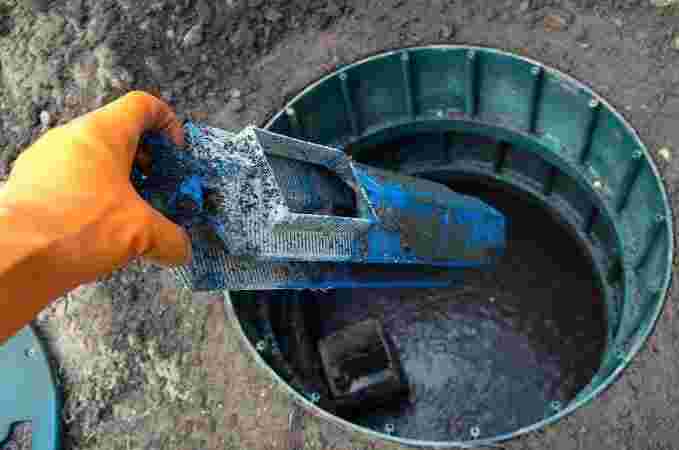
4. Septic Tank Problems
A septic tank needs routine maintenance to separate solids from wastewater and allow the system to function properly.
Excessive sludge accumulation, damaged baffles, faulty filters, and other component problems can interfere with normal operation. Depending on the circumstances, these issues may contribute to odors around the tank or property.
What to do: Review your septic maintenance records and arrange an inspection with a qualified septic professional. Pumping should be based on tank condition, size, usage, and accumulated solids rather than an arbitrary schedule.
5. Drainfield Failure
The drainfield distributes wastewater into the soil for further treatment. If the soil becomes saturated or the system is damaged, wastewater may not disperse as intended.
Possible warning signs include wet or spongy ground, standing water, unusually lush grass, and sewage odors around the absorption area.
What to do: Reduce unnecessary water use and arrange a professional septic system evaluation. Keep people and pets away from areas where wastewater may be surfacing.
6. Damaged Toilet Wax Ring or Fixture Seal
A toilet wax ring creates a seal between the toilet base and the drain connection. If it becomes damaged or improperly installed, sewer gases may escape around the fixture.
Homeowners may notice an odor near the toilet even when there is no obvious water leak.
What to do: Have a plumber inspect the toilet seal and mounting. Do not assume that cleaning the bathroom will solve a persistent odor.
7. Improper Septic System Ventilation
Septic systems and household plumbing need appropriate ventilation to release gases safely. Poor vent placement, damaged components, or incorrect installation may cause odors to collect near windows, doors, patios, or outdoor living spaces.
What to do: Ask a qualified septic or plumbing professional to evaluate the ventilation arrangement and determine whether modifications are needed.
Is Septic Gas Smell Dangerous?
A septic odor does not automatically mean that a dangerous concentration of gas is present. However, sewer gases can contain substances that are hazardous under certain conditions.
Hydrogen sulfide can irritate the eyes and respiratory system and may cause headaches, dizziness, and nausea. At sufficiently high concentrations, it can be life-threatening. Another component, methane, is flammable and can create an explosion hazard when it accumulates in an enclosed space.
An important safety point is that smell is not a reliable way to measure hydrogen sulfide exposure. At high concentrations, the gas can interfere with the sense of smell, meaning a person may stop detecting the odor even though exposure remains dangerous.
If you notice a strong or overwhelming sewage or rotten-egg odor indoors:
-
Leave the affected area and get fresh air.
-
Keep other people and pets away.
-
Do not operate electrical switches or equipment in an area where a hazardous gas buildup is suspected.
-
Do not attempt to locate the source yourself.
-
Contact emergency services or the appropriate local safety authority if you suspect a dangerous gas accumulation.
Never enter a septic tank or other wastewater confined space. These areas can contain oxygen-deficient or toxic atmospheres and require specialized equipment and trained personnel.
How to Get Rid of Septic Gas Smell in Your Home
The correct solution depends on the source of the odor. Simply spraying air freshener or using scented cleaning products will not repair a plumbing or septic system defect.
Homeowners should consider the following steps:
-
Identify where the odor is strongest: Note whether it comes from a bathroom drain, toilet, laundry area, basement, or outdoor septic location.
-
Check infrequently used drains: A dry P-trap may be responsible for odors entering a room.
-
Inspect accessible plumbing: Look for visible leaks, loose connections, and damaged fixtures.
-
Review septic maintenance records: Determine when the system was last inspected, pumped, or repaired.
-
Arrange professional evaluation: Have a plumber or septic specialist identify the source and recommend the appropriate repair.
-
Address moisture and wastewater damage: If sewage or wastewater has entered the home, arrange appropriate cleanup and remediation.
Avoid using chemical drain cleaners or septic additives as a substitute for diagnosing the problem. Some products may damage plumbing or interfere with system operation.
How to Prevent Septic Gas Problems
Preventive maintenance can help reduce the risk of unpleasant odors and expensive septic repairs.
-
Schedule septic inspections according to system condition and local requirements.
-
Pump the tank when inspection results indicate it is necessary.
-
Avoid flushing wipes, grease, paper towels, and other unsuitable materials.
-
Repair plumbing leaks and damaged drain connections promptly.
-
Keep roof plumbing vents clear through appropriate professional maintenance.
-
Protect the drainfield from vehicles, heavy equipment, and excessive water.
-
Keep records of septic inspections, pumping appointments, and repairs.
Homeowners should also pay attention to changes in drainage performance. Slow drains, gurgling toilets, repeated backups, and outdoor sewage odors may indicate a developing problem.
Why a Professional Septic Inspection Is Important
When a septic gas smell keeps returning, identifying the source is more important than masking the odor. A professional evaluation can help determine whether the problem involves household plumbing, septic tank components, ventilation, or the drainfield.
A septic inspection may involve checking accessible tank components, lids, baffles, filters, pumps, alarms, treatment components, and the absorption field. The exact inspection scope depends on the system design, accessibility, and service being performed.
Guardian Angel Inspections Inc. is a family-owned and operated home inspection company based in Royal Palm Beach, Florida, serving Central and South Florida. Its septic inspection service helps homeowners, buyers, and sellers obtain information about the visible and accessible condition of septic system components.
For property owners preparing to purchase or sell a home, arranging a septic inspection can help identify concerns that may require additional evaluation or repair.
Conclusion
A septic gas smell may originate from a dry drain trap, blocked plumbing vent, damaged sewer connection, or malfunctioning septic system. Although some causes are relatively straightforward to correct, persistent sewage odors can indicate problems that require professional attention.
Homeowners should take strong or overwhelming odors seriously, especially when accompanied by slow drains, sewage backups, or wet areas around the drainfield. Identifying the source early can help protect indoor air quality, prevent wastewater damage, and reduce the likelihood of expensive repairs.
Rather than masking unpleasant odors, arrange the appropriate plumbing or septic evaluation. Regular maintenance and timely inspections can help keep a septic system operating properly and protect the long-term condition of your property.

 English
 Arabic
 French
 Spanish
 Portuguese
 Deutsch
 Turkish
 Dutch
 Italiano
 Russian
 Romaian
 Portuguese (Brazil)